


Washington’s Millionaires Tax Is Forcing Wealthy Buyers to Rethink Property Choices

Washington’s new wealth levy and what it means for real estate USA
Washington state has approved a so-called "millionaires tax" that is already altering how high-net-worth individuals and their advisers approach the real estate market. The measure imposes a 9.9% tax on annual income above $1 million, with implementation expected in 2028 if it survives court challenges. While this policy affects a small share of households — roughly 0.5% of the population — those households help set pricing and demand in the luxury and investment segments of the housing market.
I have spoken with brokers and agents who say some clients are treating the law as a new cost of doing business, while others are accelerating moves, sales and investment plans. For buyers, sellers and investors focused on real estate USA, the law is an immediate reason to revisit tax planning, timing and destination markets.
How the tax is structured and who it hits
The headline numbers are simple to state but the real impact is complex. Key points:
- The tax is 9.9% on income above $1 million per year.
- Implementation is expected in 2028, pending legal challenges.
- The measure will affect roughly 0.5% of Washington residents, a small share of households but an outsized share of luxury transactions.
- Washington already has capital gains rules that tax long-term gains with a 7% rate and a 2.9% surtax on gains exceeding $1 million in a calendar year.
A critical carve-out for real estate markets: proceeds from the sale of a primary residence are largely exempt, a result of lobbying from real estate associations. Agents tell me that this exemption is central to calming sellers who feared an additional tax on home sales.
Immediate market signals: timing, second homes and exits
Brokers in the Seattle area report two clear behavioral responses among wealthy clients:
- Some are accepting the tax as a public policy shift and holding to prior plans. They are more likely to reorganize income streams, rely on tax advisors, or use planning tools.
- Others are accelerating timelines for relocation or asset sales. Clients who were planning to leave Washington in five to ten years are now compressing that schedule to three years or less.
Jacob Weaver, a managing broker in Bellevue, told HousingWire that clients are splitting into these two groups. He said many high-net-worth individuals earn through business structures, investments and real estate, not simple salaries, and they have access to sophisticated advisors. That makes their responses varied and sometimes quick.
Agents are also seeing increased interest in second-home markets with friendlier tax environments. Destinations mentioned by multiple brokers include:
- Nevada (Las Vegas, Henderson)
- Florida
- Arizona (greater Phoenix area)
- Palm Springs area in California
These markets are attracting buyers who want a primary or secondary residence outside Washington’s tax reach. Developers in Nevada are building luxury condos and single-family projects tailored to that demand.
What this means for luxury housing and pricing dynamics
Luxury listings are sensitive to changes in the wallet of their typical buyer. Because the millionaires tax affects the incomes of people who often buy or invest above $1 million, we are likely to see a shift in demand and possibly pricing at the top of the market.
Short-term observations from brokers:
- Business has remained relatively stable so far in the $1 million to $2 million band; agents report multiple offers in that range.
- Some sellers who were ready to move are accelerating listing schedules, which could add supply to the upper end.
- A possible "laddering" effect is in play: a cooling in higher-price tiers might open opportunities for buyers who previously could not access that range.
I will be blunt: a policy that makes wealthy residents reassess domicile choices makes the upper end of the market less insulated. If more high-income households shift residency out of Washington, demand for new luxury builds and bespoke estates could ease, which would put downward pressure on prices for those assets over time. That does not mean an immediate crash; it does mean slower growth or targeted sell-offs in specific neighborhoods.
Capital gains, primary residences and the role of tax lobbying
Washington’s real estate associations have scored a significant win: primary residences remain largely exempt from the new tax regime. That exemption is important because it preserves the traditional residential sales market for homeowners who buy and sell their main home.
At the same time, investors and serial sellers are still exposed to capital gains provisions. Washington’s existing capital gains framework taxes long-term gains at 7% plus a 2.9% surtax on gains over $1 million. Those combined costs, together with the millionaires tax on ordinary income, increase the overall tax drag on high-value transactions.
What that means in practice: sellers of investment properties, developers flipping lots and business owners selling companies will need to coordinate multi-disciplinary advice from:
- Certified public accountants focused on high-net-worth taxation
- Real estate attorneys for transaction structuring
- Brokers who understand timing and market absorption
Those conversations are already happening in Seattle offices and Bellevue boardrooms.
Practical strategies agents and investors are using now
Agents I interviewed describe advising clients on several concrete actions. These are not legal tips but common strategies in their playbooks:
- Review residency and domicile plans early. For clients already planning a move, closing the loop on domicile now can change state tax exposure.
- Revisit timing for company sales and liquidity events. Sellers who anticipate a large taxable event are talking to tax advisers about timing and structure.
- Consider second-home or investment markets in states with no personal income tax. Nevada, Florida and Arizona top the list for Washington buyers.
- Use tax-deferred strategies where eligible. For investment-property owners, tools such as 1031 exchanges remain part of the discussion for deferring taxable gain on qualified properties, though rules and eligibility should be checked with counsel.
- Maintain liquidity and flexibility.


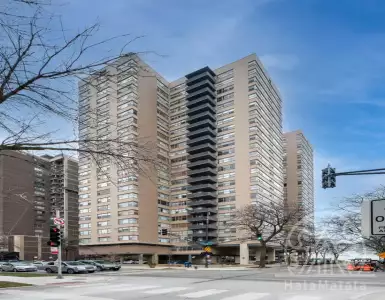




Agents emphasize that this is an era when brokerage advice is as much about tax planning and residency as it is about schools, transit and finishes.
Risks and uncertainties to watch
This is not a static policy environment. Key uncertainties include:
- Legal challenges: implementation is scheduled for 2028, but courts could delay or block the tax.
- Behavioral responses: only a small share of households are affected, so the broad market may remain resilient even if luxury demand softens.
- Macro factors: mortgage rates, national economic growth and migration trends will also affect demand for high-end housing.
There is an additional political risk: future state legislatures could change the tax or its thresholds. That possibility complicates long-term planning for investors.
From my perspective, the most important risk for local sellers and agents is misreading the timing. Selling too quickly out of fear could realize losses that a patient, well-advised taxpayer would avoid. Conversely, waiting until after a taxable event without planning could incur unexpected liabilities.
How this shift affects buyers, sellers and small developers
Buyers
- For luxury buyers who remain in Washington, the tax increases the marginal cost of ownership for those with high income streams. Buyers should quantify the tax impact on affordability calculations and mortgage qualification where relevant.
- For investor-buyers, the tax changes the yield calculus on rental properties held as pass-through income.
Sellers
- Sellers of primary residences keep a crucial exemption, but sellers of second homes, investment property or businesses must factor in larger potential tax bills.
- Some sellers are accelerating listings to complete moves before the new tax is effective, while others are waiting to see legal outcomes.
Small developers and custom-home builders
- Developers who target the very high end may see a slowdown in demand from Washington-based buyers, even if out-of-state buyers fill the gap.
- Permits and local construction costs are still a constraint; several agents said very wealthy clients are building outside Washington to avoid high taxes and stricter cost environments.
Regional winners and losers within the U.S. property market
States with no personal income tax are the immediate beneficiaries for some buyers and investors. Nevada, Florida and Arizona, along with pockets of Southern California like Palm Springs, are mentioned repeatedly by agents as homes for redirected demand.
That does not mean all markets win. Local supply, new luxury product pipeline and quality of life still matter. Nevada is building large luxury projects, but the right buyer also wants lifestyle fit, schools if family-related, and services.
What I would advise clients today
We are in a transition. My practical advice for clients focused on real estate USA is:
- Get tax advice now, not later. The interaction of the millionaires tax and existing capital gains rules is complex.
- Model scenarios that assume the law is implemented in 2028 and scenarios where it is delayed or struck down.
- For sellers who were already planning to relocate, consider whether accelerating a sale makes sense given transaction costs, capital gains exposure and market timing.
- For buyers who want to stay, focus on financing and cash-flow resilience. A higher personal tax rate can change monthly budgets and investment allocations.
These are concrete steps that reduce the chance of an avoidable tax outcome and help align real estate decisions with broader financial goals.
Frequently Asked Questions
Will the millionaires tax apply to the sale of my primary home?
No. The law’s major exemptions, supported by state real estate associations, leave primary residence sales largely exempt from the new tax. That exemption reduces the direct tax hit for typical homeowners selling their main home.
Who will actually pay this tax?
The tax targets annual income above $1 million and is expected to affect roughly 0.5% of Washington residents. The pool of people who pay will likely be smaller than headline figures because many high-net-worth households use business structures, investments or deferred compensation that affect taxable income.
Will luxury home prices in Washington fall?
Not immediately. Brokers report ongoing demand in the $1 million to $2 million range. Over time, if more wealthy residents relocate, upper-end demand could soften and apply downward pressure on luxury prices. The timing and magnitude depend on how many households change domicile and how quickly.
Should I move my residency to avoid the tax?
Residency decisions are personal and complicated. Some high-net-worth individuals are accelerating planned moves to states with no income tax, while others accept the change and reorganize income. Consult a tax attorney and CPA before making major moves that affect domicile and tax status.
If the law is implemented in 2028 and survives litigation, expect an acceleration in relocation and timing decisions among people already considering leaving Washington. That will have a measurable effect on the luxury segment, while the broad housing market will continue to depend on mortgage rates, inventory and local demand. For now, my bottom-line takeaway: talk to both a broker and a tax adviser before acting, because the interaction of the millionaires tax and existing capital gains rules can change outcomes materially.
Tags
We will find property in USA for you
- 🔸 Reliable new buildings and ready-made apartments
- 🔸 Without commissions and intermediaries
- 🔸 Online display and remote transaction

International Real Estate Consultant

Subscribe to the newsletter from Hatamatata.com!
Subscribe to the newsletter from Hatamatata.com!
Popular Posts

We will find property in USA for you
- 🔸 Reliable new buildings and ready-made apartments
- 🔸 Without commissions and intermediaries
- 🔸 Online display and remote transaction
International Real Estate Consultant

Subscribe to the newsletter from Hatamatata.com!
Subscribe to the newsletter from Hatamatata.com!
I agree to the processing of personal data and confidentiality rules of HatamatataPopular Offers

 3
3
 120
120
 5
143
5
143
 2
165
2
165
Need advice on your situation?
Get a free consultation on purchasing real estate overseas. We’ll discuss your goals, suggest the best strategies and countries, and explain how to complete the purchase step by step. You’ll get clear answers to all your questions about buying, investing, and relocating abroad.



Sales Director, HataMatata