27 927 $
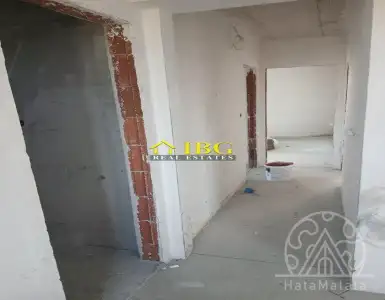
House with 4 bedrooms in Plovdiv, Bulgaria
Bedrooms: 4
Plovdiv, Bulgaria
Discover properties in Bulgaria - a hidden gem for both living and investing. Enjoy affordable prices, stunning landscapes, and a growing economy.
 Valeriy Tarenko, International Real Estate Investment Expert
Updated:
27 927 $
Plovdiv, Bulgaria
 49 297 $
Plovdiv, Bulgaria
 336 477 $
Plovdiv, Bulgaria
 14 839 $
Byala, Bulgaria
 38 472 $
Kitka, Bulgaria
 115 416 $
Levski, Bulgaria
Save time — for free we will select objects for your budget and goals
 482 284 $
Sofia, Bulgaria
 345 450 $
Sofia, Bulgaria
 99 821 $
Sofia, Bulgaria
 140 198 $
Veliko Tarnovo, Bulgaria
 12 611 $
Veliko Tarnovo, Bulgaria
 32 750 $
Veliko Tarnovo, Bulgaria
 218 740 $
Kavarna, Bulgaria
 87 826 $
General Toshevo, Bulgaria
 37 922 $
Balchik, Bulgaria
 98 928 $
Chervena Voda, Bulgaria
 324 264 $
Pomorie, Bulgaria
 Sea View view 379 224 $
Pomorie, Bulgaria
 Sofia
106 listings
 Burgas region
76 listings
 Varna region
58 listings
 Plovdiv region
29 listings
 Dobrich
19 listings
 Legal review:
Deni Gerikhanov, International Real Estate Lawyer
 Financial review:
Evgeniya Skripko, Financial Expert in International Real Estate
Reviewed:
Bulgaria is a compact and diverse market for buying property, combining Black Sea coastline demand, a growing capital market in Sofia, and established mountain resort opportunities in Bansko, Borovets and Pamporovo. Coastal micro-markets such as Sunny Beach, Nessebar and Sozopol attract short-term rental guests from Northern and Central Europe, while Sofia and Plovdiv draw year-round corporate tenants and owner-occupiers. Buyers considering a House in Bulgaria weigh climate, infrastructure links and tourism seasonality together with local governance, which directly shapes pricing, rental demand and long-term appreciation.
Bulgaria’s geography concentrates demand into several clear corridors: the Black Sea coast (Varna, Burgas, Sozopol, Sunny Beach), the Sofia economic zone and the ski triangle (Bansko, Pamporovo, Borovets). Coastal areas offer warm summers and mild winters, boosting holiday rental occupancy and seasonal cashflow; mountain resorts provide winter sports demand and mid-season tourism, which affects annual rental yield patterns. Sofia and Varna airports, Burgas airport, and highways Trakia (A1) and Hemus (A2) are pivotal infrastructure nodes that increase accessibility and therefore buyer interest.
Municipal services, availability of utilities and proximity to medical centers and international schools shape demand for family houses and expatriate buyers; business centers in Sofia and Plovdiv attract professionals seeking suburban single-family houses or villas. Local planning rules and zoning near protected coastal strips or national parks directly affect new supply, making some coastal and mountain plots scarce and supporting premium pricing for finished houses.
Bulgaria presents a fiscally competitive environment with corporate tax advantages and relatively low operating costs for businesses, underpinning steady demand for mid- and long-term rentals near business centres. Tourism metrics typically show multi-million annual arrivals to the Black Sea coast and ski resorts, sustaining short-term rental markets. Economic diversification in Sofia—IT, outsourcing, finance—creates longer-term housing demand from expatriate professionals and managers.
Investment liquidity and resale potential for a House in Bulgaria depend on macro stability, the municipal planning environment and international travel patterns. Investor confidence is strengthened where infrastructure projects (airport upgrades, highway extensions) are underway, because such projects reduce friction for holiday guests and commuting tenants, improving the ROI profile for residential and holiday houses.
Prices for a House for sale in Bulgaria vary dramatically by location, property condition and plot size. Rural village houses can be acquired from $20,000–$60,000, suburban family houses around regional centres often fall into $80,000–$400,000, while coastal and premium mountain villas commonly trade between $250,000–$2,500,000. New-build detached houses in Sofia suburbs typically start at $220,000 for smaller 100–150 sqm homes, whereas luxury villas in Balchik or Sozopol can exceed $1 million.
Market dynamics show steady demand for renovated solid houses with good road access and utilities; new gated communities near Sunny Beach and St Vlas command premiums for managed services and rental management packages. For investors evaluating ROI on house in Bulgaria, take into account seasonal occupancy, management costs and municipal taxes when benchmarking projected cashflows.
Choice of region depends on objective: living, seasonal rental or capital growth. Sofia and its suburbs (Lozen, Dragalevtsi, Boyana) are best for year-round occupancy, schools and corporate commutes. The Black Sea cluster—Varna, Burgas, Sunny Beach, Sozopol and St Vlas—offers the strongest short-term rental demand and beachfront premium. Mountain resorts including Bansko, Borovets and Pamporovo are ideal for winter rental streams and buyers seeking ski chalets.
Price differences reflect accessibility and desirability: houses within 30–45 minutes of Sofia city centre are priced significantly higher than equivalent properties three hours from the capital, while coastal houses within walking distance to beaches command a 30–60 percent premium over inland village houses.
Professional developers and reputable agencies provide the bulk of new-build house supply and managed complexes. Recognised companies and market participants include Glavbolgarstroy (large-scale construction and residential projects), GTC (Global Trade Centre) (urban mixed-use developments in Sofia), and leading brokerages such as Bulgarian Properties, Address Real Estate, and ARCO Real Estate that list and manage villa and house portfolios. Prominent residential clusters and resort brands include developments around Sunny Beach, St Vlas, Royal Bay (Balchik area) and managed complexes in Nessebar and Sozopol.
Buyers evaluating an Investment house in Bulgaria should request developer company registration, building permits and completion certificates, and verify whether new schemes are sold with VAT or as final notary-transferred units, since that influences upfront house purchase costs in Bulgaria and post-sale tax treatment.
Access to finance is available for non-residents, but terms differ by bank and borrower profile. Mortgage Bulgaria for foreigners typically involves loan-to-value ratios of 50–70% depending on nationality, income documentation and whether the property is new or resale. Interest rates vary by bank profile and market conditions; illustrative borrower terms often start near mid-single-digit percentages, with loan terms commonly up to 20–25 years for primary residences.
Developers often offer seller financing: a house in Bulgaria with installment plan is frequently marketed on new complexes with staged payments (deposit, stage payments, final balance at completion). For those seeking a house in Bulgaria with mortgage, prepare EU or international income proofs, bank statements and notarised translations. Mortgage approval timelines range from several weeks to a couple of months depending on documentation completeness.
The Legal process to buy house in Bulgaria starts with due diligence: verifying title, encumbrances, zoning and building permits. A preliminary agreement (reservation and deposit) is typically followed by a notary deed transfer; notaries in Bulgaria perform registration of title and ensure taxes and fees are settled. The full transaction timeline from reservation to registry entry commonly spans 4–12 weeks depending on seller readiness, bank financing and municipal checks.
Typical house purchase costs in Bulgaria include: transfer tax or VAT (depending on seller and property type), notary fees and registration costs (generally 0.5–3% combined), agency commission (commonly 2–3%) and solicitor or due diligence fees. New-build purchases from VAT-registered developers may incur 20% VAT on the sale price, which materially increases upfront cost versus second-hand resale transactions.
Property ownership rights are generally equal for EU citizens and largely available to non-EU buyers, though acquisition of agricultural land by non-EU nationals often requires a local vehicle or special permission. Annual property tax is levied by municipality and calculated as a percentage of the tax base; typical effective rates vary by locality and commonly translate into modest annual bills relative to many Western markets. Property taxes in Bulgaria for foreigners follow the same municipal rules as for residents, with rates and surcharges varying between municipalities.
Owning a house does not automatically grant immigration benefits: a purchase generally does not confer residence or citizenship. Queries about Residence permit through house investment in Bulgaria or Golden visa through house investment in Bulgaria should note that ordinary property purchases are not a fast-track to citizenship and only large-scale or specific investment programs may create residency pathways, often subject to separate government-approved investment schemes and stringent criteria.
Different buyer goals map clearly to locations and property formats. For full relocation or family living, Sofia, Plovdiv and suburban house clusters near international schools are the prime choice due to healthcare and corporate employment. For seasonal or holiday income, the Black Sea (Sunny Beach, St Vlas, Nessebar, Sozopol, Balchik) offers strong peak-season yields and return visitors. Ski-chalet investment suits Bansko and Borovets, which host winter sports tourists and year-round outdoor activity audiences.
Each scenario impacts net returns: Rental yield for house in Bulgaria for long-term lets in Sofia can be lower but steadier (often 2–5% net), while short-term holiday models on the Black Sea or in ski resorts can yield 6–10% gross in active seasons but require active management and higher turnover.
Bulgaria’s housing market continues to balance affordability with improving infrastructure, supporting demand across buyer segments from lifestyle purchasers to investors. Strong transport links near airports and highways, steady tourism inflows to the Black Sea and ski resorts and a competitive tax environment mean that targeted acquisitions—carefully underwritten for location, seasonality and legal clarity—can deliver attractive ROI on house in Bulgaria and sustainable rental yields for house in Bulgaria when combined with professional property management and realistic cost planning.
House prices in Bulgaria vary widely: rural fixer-uppers €5,000–€40,000, small towns €30,000–€120,000, regional cities €70,000–€250,000, Sofia and prime Black Sea areas €100,000–€600,000+. Luxury or central Sofia properties exceed these ranges. Use these benchmarks to compare locations and condition. (USD approx. +/− based on EUR)
Bulgaria offers different routes: EU citizens have free movement and residence rights; non-EU nationals can apply for a long-stay D visa and residence permits for work, study, family reunification or investment. Owning a house does not automatically grant residency, but property can support visa/residence applications as proof of accommodation.
Typical transaction costs in Bulgaria: municipal transfer tax and notary/registration fees combined often about 2–4% of price, plus lawyer fees typically 0.5–2%. New-builds sold by VAT-registered sellers may carry 20% VAT. Expect one-off administrative costs plus possible local municipal charges.
Bulgarian banks lend to locals and foreigners. Typical down payments run 20–30% for residents and 30–40% for non-residents; loan-to-value commonly 60–80%. Terms up to 20–30 years depend on borrower profile. Expect standard income checks, Bulgarian bank account and local documentation.
Check title and encumbrances in the Bulgarian Land Register, verify seller identity, confirm planning/building permits, debts or liens, utility connections, and energy performance. Commission a structural survey and legal review by a local lawyer to ensure clear title and compliance with zoning.
Renting is common across Bulgaria. Long-term yields in cities often run about 3–6% gross; holiday rentals on the Black Sea can be seasonal and higher. Short-term lets may require municipal registration and compliance with local tourism rules and taxes. Factor in vacancy and management costs.
Bulgaria offers lower living costs than Western Europe: monthly basic living costs typically €500–€1,200 for a single person, higher in Sofia. Public and private healthcare available, international schools in major cities, decent urban transport, national buses/trains. Good internet in cities and coastal towns makes Bulgaria attractive for remote workers and digital nomads.
EU citizens have the same acquisition rights as Bulgarian nationals. Non-EU nationals can usually buy buildings and apartments but buying certain land (agricultural/forest) often requires a Bulgarian-registered entity or special arrangements. Always confirm land-use and ownership rules for the specific parcel.
A straightforward purchase in Bulgaria typically completes in 4–12 weeks: offer/agreement, due diligence and notary deed, payment, then registration in the Land Register. Complex cases with permits or mortgage arrangements can take longer. Allow time for legal checks and municipal procedures.
Yes. Expect municipal property tax and local fees (often low, generally under 0.5% of the tax base), utilities, condominium or maintenance charges, and insurance. Running costs vary by size and location; budget roughly €50–€300+/month for utilities and common charges depending on season and property type.
The most affordable listing in Bulgaria starts from 9 900 $ right now, out of 305 properties in the catalog. Sort the catalog by price to see the cheapest first and compare them with nearby towns in the region. HataMatata catalog data as of November 22, 2026.
Yes: 7 of 305 properties in Bulgaria (2%) have a pool, private or shared in the complex. The most affordable of them starts from 162 000 $. HataMatata catalog data as of November 22, 2026.
Yes: 5 of 305 properties in Bulgaria (2%) have a sea view or are within 1 km of the beach. The most affordable of them starts from 197 000 $. HataMatata catalog data as of November 22, 2026.
Leave a request and receive free advice on prices, taxes, residence permits and the real estate market in Bulgaria.