663 751 $
 264 835 $
 847 696 $
 1 299 801 $
 847 696 $
 1 661 042 $
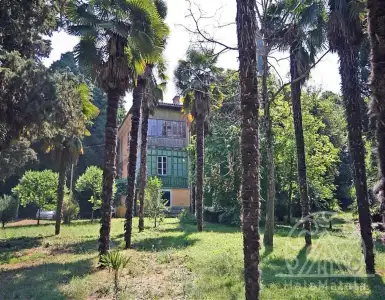 3 286 625 $
 Inner Slovenia
 Obalno-Kraška
 Central Slovenia
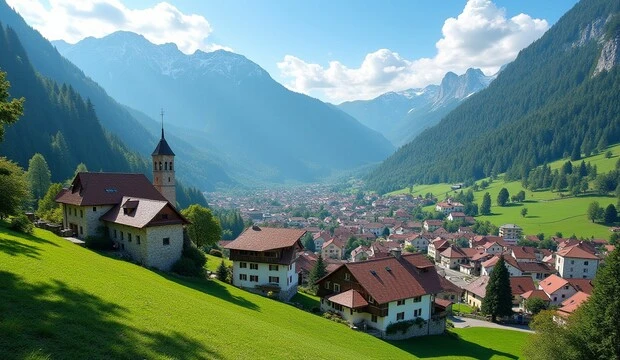 Gorenjska
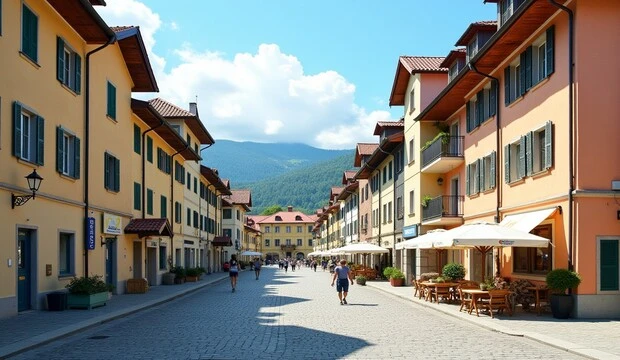 Podravska
 Legal review:
Deni Gerikhanov, International Real Estate Lawyer
 Financial review:
Evgeniya Skripko, Financial Expert in International Real Estate
Reviewed:
🇸🇮 Buying a House in Inner Slovenia: Prices, Neighborhoods and Legal Considerations
Inner Slovenia — officially the Central Slovenia (Osrednjeslovenska) statistical region — is the heart of Slovenia’s housing market. Centered on Ljubljana and its suburban ring, the area concentrates economic activity, transport hubs, healthcare, higher education and cultural institutions. The region’s geography ranges from the Ljubljanica plain and river valleys to the Karst-influenced hills toward Vrhnika and Logatec, producing varied microclimates and neighborhood characters that directly influence demand for House in Inner Slovenia. Buyers looking to buy house in Inner Slovenia find strong year-round demand from families, professionals commuting to Ljubljana, international staff at diplomatic and corporate offices, and investors seeking rental income in a market with stable occupancy rates.
💶 How much House costs in Inner Slovenia
The price landscape for House in Inner Slovenia spans entry-level suburban properties to premium villas in Ljubljana’s best neighborhoods. Average price metrics vary by municipality and property condition. For quick orientation, expect prices expressed both per property and per square metre depending on format and age.
- Average price ranges by city and typical formats
- Ljubljana (Center, Bežigrad, Vič, Šiška): €300,000–€1,500,000+ for family houses; per m² comparable to high-end urban housing, often €2,500–€4,500/m² for renovated properties.
- Kranj and Kamnik (northern suburbs): €150,000–€450,000 for single-family houses; typical sizes 90–180 m².
- Grosuplje, Domžale, Medvode: €160,000–€420,000 depending on proximity to Ljubljana and transport links.
- Vrhnika, Logatec, Litija corridor: €130,000–€350,000 with larger plots and lower land prices.
Buyers should note that new developments of house in Inner Slovenia often attract VAT treatment rather than transfer tax, changing the effective cost; renovated resale house in Inner Slovenia tends to involve the 2% transfer tax on secondary-market transactions. Typical family house sizes range from 80 m² to 250 m², with plots from 200 m² to 1,000 m² in suburban locations and substantially larger parcels on the urban fringe.
🎯 Which district of Inner Slovenia to choose for buying House in Inner Slovenia
Choosing a district depends on lifestyle, commute tolerance and investment goals. Inner Slovenia offers compact central urban neighborhoods and extensive commuter towns with different rentability and capital growth profiles.
-
Ljubljana - Center, Bežigrad, Vič, Šiška
- Advantages: Immediate access to hospitals (University Medical Centre Ljubljana), universities (University of Ljubljana faculties), cultural venues and direct public transport links. High demand from executives and expatriate families supports strong resale potential and stable rental yields.
- Market: Premium prices and lower yield but excellent liquidity for resale house in Inner Slovenia.
- Suitability: Owner-occupiers, premium investment house in Inner Slovenia, second home for relocation to Inner Slovenia.
-
Domžale, Kamnik, Kranj corridor
- Advantages: Shorter commutes via A1 motorway and rail links, more affordable land, new family-oriented developments and schools.
- Market: Good balance of price and rental demand; prices typically €160,000–€420,000.
- Suitability: Family homes, investors targeting mid-range rental yield.
-
Vrhnika, Grosuplje, Medvode
- Advantages: Green surroundings, larger plots, quick access to Ljubljana by car, appealing for buyers seeking second home or seasonal residence within reach of the capital.
- Market: Competitive for medium-term appreciation and holiday rentals.
Deciding where to buy house in Inner Slovenia should incorporate commute times, public transport availability, local schooling and medical access, and municipal zoning plans that influence future supply.
🏗️ Leading projects and residential zones for House in Inner Slovenia
Inner Slovenia’s housing stock is shaped by long-term urban projects and infill developments rather than large sprawling greenfield masterplans. Recognizable urban areas and projects attract both local and foreign buyers.
-
BTC City and surrounding redevelopment zones
- Description: BTC City is one of Europe’s largest shopping and business districts located in Ljubljana; surrounding neighborhoods benefit from employment density, retail infrastructure and good public transport.
- Formats: Townhouses and modern infill houses within walking distance to commercial services.
- Buyer appeal: High tenant demand and strong walkability.
-
Stožice and Šiška redevelopment belt
- Description: Residential growth around Stožice sports and events complex and Šiška offers newly built family houses and terraced developments.
- Formats: Terraced houses, compact family houses 90–160 m².
- Buyer appeal: Proximity to sports facilities, tram and bus corridors, and relatively modern stock.
-
Vič, Bežigrad and the Ljubljana waterfront redevelopment
- Description: Established neighborhoods with mix of renovated older houses and new infill housing; increasing focus on energy efficiency and contemporary layouts.
- Formats: Renovated historic houses, new-build low-rise villas.
- Buyer appeal: Central location, international school catchments.
Large institutional developers in Slovenia concentrate on energy-efficient and turnkey delivery; for financing and project delivery, buyers can typically expect developer installment plan for house in Inner Slovenia on new-build phases with staged payments tied to completion milestones.
🏦 Mortgage and installment conditions for House in Inner Slovenia
Mortgages and developer financing are widely available and accessible for EU/EEA buyers, with pragmatic pathways for many non-EU purchasers subject to permissions. Mortgage for house in Slovenia for foreigners is offered by major banks with standardized conditions.
-
Bank and mortgage landscape
- Major lenders: NLB, NKBM, SKB, UniCredit Slovenia and selected international banks operate in the region and issue long-term mortgages.
- Typical terms: Mortgage durations up to 25–30 years, loan-to-value commonly 70–80% for residents, with down payments of 20–30% for non-residents depending on risk assessment.
- Interest: Fixed or variable rate products available; many buyers choose a mixed approach to manage interest exposure.
-
Conditions for foreigners
- EU/EEA citizens: Generally same conditions as locals for mortgages and purchase process.
- Non-EU citizens: Banks require proof of stable income, higher down payments, and often a permit allowing acquisition of real estate; Mortgage for house in Slovenia for foreigners typically demands additional documentation and can include co-borrower or collateral requirements.
-
Developer installment plans
- Common practice: Reservation deposit (commonly €5,000–€20,000), then staged payments: 10–30% during construction, balance on completion and handover. Some developers offer longer interest-free seller financing for a portion of the price or bridging options for buyers selling an existing property.
📝 Legal process of buying House in Inner Slovenia
The buying process is well-established and follows clear administrative steps. Understanding mandatory milestones reduces risk and speeds closing.
-
Selection and reservation
- Step: Choose property, sign reservation agreement, pay reservation deposit; deposit amounts vary by seller.
- Notice: For new developments, confirm whether price includes VAT or transfer tax.
-
Due diligence and contracts
- Step: Title search at the Land Register (Zemljiška knjiga), check building permits, utility connections and any mortgages or encumbrances.
- Step: Preliminary purchase agreement (if applicable) followed by final notarial deed; notary prepares contract and certifies signatures.
- Costs: Expect notary fees, land register fees, and legal or surveyor checks.
-
Payment, registration and handover
- Step: Transfer remaining funds, pay taxes (transfer tax 2% or VAT 22% depending on sale type), and register ownership. The new owner is recorded in the land register to formalize ownership and ensure rights over the property.
- Timing: From reservation to registration, timelines vary but commonly range from several weeks for resale to many months for under-construction projects.
⚖️ Legal ownership, taxes and residence permit aspects for House in Inner Slovenia
Understanding tax treatment and residency consequences is essential for investors and private buyers.
-
Taxes and fees
- Transfer tax: 2% typically applies to resale house in Inner Slovenia when the seller is a private party; new developments sold by VAT-registered developers are usually subject to 22% VAT instead of transfer tax.
- Municipal property tax: Municipalities may levy property tax on real estate, rates and exemptions vary locally and are often modest.
- Other costs: Notary, land registry, and possible real estate agency fees (commonly 2–3%).
-
Residence and citizenship
- Residence permit through purchase of house in Inner Slovenia: Slovenia does not offer automatic residence permits solely on purchasing real estate; residency is tied to immigration laws, work, family reunification or long-term stay permits.
- Citizenship through investment in house in Inner Slovenia: There is no direct citizenship-by-investment program for purchasing housing; citizenship follows naturalization rules and substantive residence requirements rather than a real estate purchase amount.
-
Rental and regulatory considerations
- Short-term rentals: Owners must comply with municipal rules and register for tourist accommodation where applicable and collect local tourist levies.
- Rental taxation: Rental income is taxable; report income to the Financial Administration of the Republic of Slovenia and consider VAT implications for commercial operations.
🏠 Which purposes are best suited for buying House in Inner Slovenia
Buying a house in Inner Slovenia serves diverse purposes, each aligning with specific locations and property types.
-
Long-term residence and relocation to Inner Slovenia and purchase of house
- Best locations: Ljubljana (Vič, Bežigrad) and commuter towns with excellent transport like Domžale and Medvode.
- Property types: Renovated urban houses, low-rise family houses with garden, proximity to schools and hospitals.
-
Seasonal residence and second home house in Inner Slovenia
- Best locations: Vrhnika, Logatec and hilltop villages around Ljubljana for nature access and weekend retreats.
- Property types: Larger plots, energy-efficient holiday houses and renovated older cottages.
-
Rental investment, investment house in Inner Slovenia and ROI
- Best locations: Central Ljubljana and areas near universities and hospitals provide continuous rental demand; belts around BTC City and business parks deliver corporate rentals.
- Yield expectations: Typical gross rental yield for houses ranges 3–5% depending on location; careful tenant selection and management improve net ROI on house in Inner Slovenia.
-
Family purchases and premium segment
- Best locations: Exclusive neighborhoods in Ljubljana and gated developments; larger houses 200–400 m² with private gardens and high-end finishes.
- Buyer profile: Executives, diplomats, and buyers seeking long-term stability rather than speculative flips.
The housing market in Inner Slovenia remains anchored by the capital’s economic weight, good infrastructure and a diversified demand base. Continued upgrades to transport corridors, municipal planning favoring infill development and steady interest from cross-border buyers suggest sustained liquidity for quality houses across the region, with particular upside for energy-efficient and well-located properties in commuter towns and central Ljubljana.