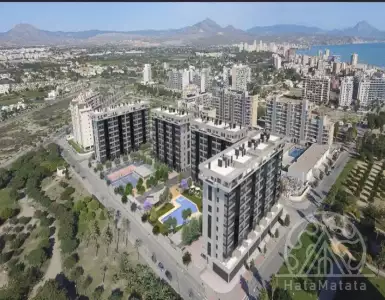
 692 369 $
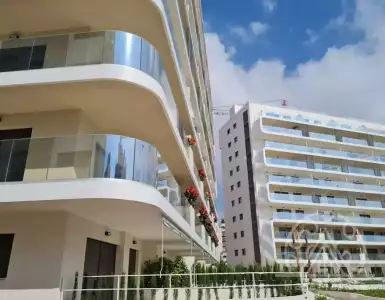 571 479 $
 571 479 $
 280 135 $
 230 680 $
 197 710 $
 933 050 $
 972 614 $
 873 704 $
 730 834 $
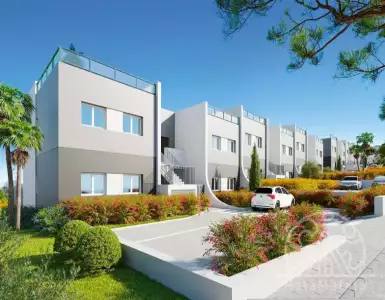 408 827 $
 296 729 $
 1 527 609 $
 2 167 886 $
 1 752 904 $
 434 104 $
 434 104 $
 626 374 $
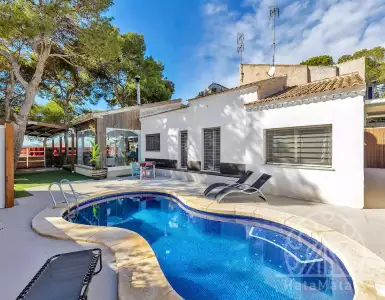 730 834 $
 912 169 $
 372 560 $
 372 560 $
 474 767 $
 983 604 $
 1 093 504 $
 601 922 $
 633 023 $
 231 888 $
 220 898 $
 220 898 $
 Valencia and Murcia
 Andalusia
 Catalonia
 Central and Northern Spain
 Canary Islands
 Legal review:
Deni Gerikhanov, International Real Estate Lawyer
 Financial review:
Evgeniya Skripko, Financial Expert in International Real Estate
Reviewed:
🇪🇸 Buying property in Valencia and Murcia: prices, legal steps, coastal and inland options
Valencia and Murcia are two of Spain’s most practical and undervalued markets for international buyers and investors. Both offer sea and city lifestyles, robust infrastructure, and different price-entry points that suit a wide range of strategies — from a compact student rental in Ruzafa to a seaside villa in La Manga del Mar Menor. The text below walks you through geography and transport, concrete numbers on pricing and yields, the real purchase steps, and how financing and residency interact with real estate investment in Valencia and Murcia.
💶 Property prices in Valencia and Murcia
Valencia and Murcia show distinct price tiers that let investors pick location and risk profiles. Valencia city average asking prices sit higher than the Region of Murcia, driven by larger urban demand, tourism flows, and stronger high‑speed and port connectivity. Average price ranges per square metre tend to be: Valencia city €1,800–€3,000/m² depending on neighbourhood, and Murcia region €900–€1,700/m² with coastal pockets above that.
- Valencia city and immediate metropolitan area
- Ciutat Vella / El Carmen: €2,500–€3,500/m² for renovated historic flats
- Ruzafa / L’Eixample: €2,200–€3,000/m² for modern 1–3 bed apartments
- Campanar / Paterna / Torrent: €1,400–€2,200/m² for family apartments and new builds
- Murcia region and coastal zones
- Murcia city centre (Centro, La Flota, Espinardo): €1,100–€1,800/m²
- Cartagena / Los Alcázares / San Javier: €1,200–€2,000/m² depending on distance to coast
- La Manga del Mar Menor / Mar Menor beachfront: €1,800–€3,500/m² for premium sea‑front units
Typical transaction price examples:
- New build 2‑bed apartment in Valencia city: €180,000–€350,000 (70–100 m²)
- New build 2‑bed apartment in Murcia coastal town: €120,000–€240,000 (60–90 m²)
- Detached villas by the Mar Menor: €350,000–€900,000 depending on plot and finish
Market dynamics: Valencia records stronger year‑round rental demand driven by students and tech/creative sectors, while Murcia posts higher seasonal peaks on the coast and lower entry prices—useful for value buyers seeking higher gross yields.
🎯 Best areas in Valencia and Murcia to buy property
Valencia and Murcia each have micro‑markets that suit different buyer profiles. Choosing a district is as much about amenities and transport as about regulation and tourist licences.
- Valencia top micro‑markets
- Ruzafa: high demand for mid‑term rentals, cafés, cultural life, good for capital appreciation
- El Cabanyal / Poblats Marítims: beachfront proximity, strong holiday rental potential
- Patacona (Alboraya): modern developments, family buyers, easy tram access to the city
- Murcia top micro‑markets
- Murcia Centro / Espinardo: proximity to the University of Murcia and hospitals, reliable long‑term rental pool
- Cartagena old town and port area: cultural tourism, renovation opportunities in historic stock
- La Manga / Los Alcázares / Mar Menor: holiday rentals, second homes, golf and marina access
Each of these areas shows different regulatory regimes for tourist lets, different municipal parking and community fees, and familiar developer activity — choose areas aligned to your exit strategy (short‑term vs long‑term rental, primary residence, renovation).
🚆 Geography, climate and transport accessibility in Valencia and Murcia
Valencia and Murcia sit on Spain’s eastern and southeastern Mediterranean corridors with mild winters, hot summers and strong transport links that make them accessible from northern Europe.
- Valencia connectivity and infrastructure
- Valencia Airport (Manises) handles domestic and international routes and is about 10–15 minutes from the city by road.
- High‑speed rail (AVE/Euromed) connects Valencia with Madrid and Barcelona with frequent daily services and regional Cercanías trains to towns like Gandía and Sagunto.
- The Port of Valencia is a major logistics hub — one of Spain’s busiest container ports — feeding employment and export demand.
- Key medical and education infrastructure includes Hospital Universitari i Politècnic La Fe, Hospital Clínico Universitario, Universitat de València (over 50,000 students) and the Politécnica.
- Murcia connectivity and infrastructure
- Region of Murcia International Airport (Corvera) and proximity to Alicante-Elche Airport broaden international access.
- Road links on the A‑7 and AP‑7 coastal routes connect Murcia to Alicante and Almería; Cartagena has a commercial port and growing logistics activity.
- Healthcare hubs include Hospital Clínico Universitario Virgen de la Arrixaca (El Palmar) and Hospital Universitario Santa Lucía (Cartagena).
- Murcia’s universities and marine‑science facilities drive year‑round demand for student and professional housing.
Both regions combine walkable urban centres, accessible beaches, and a dependable Mediterranean climate that supports tourism and second‑home markets.
📈 Economy and investment potential in Valencia and Murcia
Valencia and Murcia differ in scale but both show solid fundamentals for real estate investors: diversified economies, tourism inflows, and domestic migration.
- Regional economic figures and employment
- Valencian Community GDP around €120 billion with a broad mix of manufacturing, services, logistics and tourism supporting steady employment growth.
- Region of Murcia GDP around €35 billion, driven by agriculture (horticulture exports), logistics, tourism and an expanding services sector.
- Ports, agribusiness exports and a recovering tourism sector underpin rental demand in coastal towns and cities.
- Tourism and demographic drivers
- Valencia city attracts urban and cultural tourism (City of Arts and Sciences, festivals), while Murcia’s Mar Menor and Cartagena generate strong summer season volumes.
- Internal migration patterns show young professionals and families moving to Valencia for jobs and quality of life, and international retirees drawn to Murcia’s affordability and coastal climate.
- Investment yields and demand trends
- Long‑term rental yields typically 3–5% gross in Valencia city and 4–7% gross along Murcia’s coast.
- New build activity is concentrated near transport hubs and coastal resorts; secondary market stock offers renovation plays with higher immediate yield potential.
These fundamentals create differentiated strategies: capital growth and long‑term rental for Valencia, yield and seasonal letting for Murcia.
🏗️ Major developers and new build projects in Valencia and Murcia
National and regional developers deliver most new supply; buyers can choose established builders with off‑plan guarantees and local companies that specialise in coastal product.
- Developers commonly active in the regions
- Aedas Homes, Neinor Homes, Metrovacesa and Vía Célere operate broadly across Spain and have projects in the Valencian Community and Murcia corridor.
- TM Grupo Inmobiliario is a recognised player in the Valencian area focused on mixed residential and urban regeneration.
- Local builders and cooperatives specialise in niche coastal and renovation projects around Cartagena and La Manga.
- Typical project types
- Urban regeneration and mid‑rise apartments in Valencia city (near Ruzafa, La Serrería, and Avenida Aragón).
- Sustainable seaside residencies and gated communities on the Mar Menor with private pools, parking and community amenities.
- Off‑plan developments often include turnkey finishes, underground parking and energy efficiency certificates required by Spanish regulations.
- What to look for from a developer
- Bank guarantees for deposits, a clear timeline for completion, and a transparent build specification — these elements reduce transactional risk in off‑plan purchases.
When buying new build property in Valencia and Murcia, insist on developer warranty documentation and clear community statutes.
🧾 Mortgages, financing and installment plans for property in Valencia and Murcia
Financing for both residents and non‑residents is widely available through Spanish banks and international lenders, and developers frequently provide staged payment plans for new builds.
- LTV and down payment norms
- Non‑resident buyers commonly obtain up to 70% LTV, implying a 30% down payment plus purchase costs.
- Resident buyers can often access up to 80% LTV depending on income documentation and credit profile.
- Interest rates, terms and examples
- Fixed mortgage products typically start from around 2% to 4% depending on term and borrower credit; variable deals are tied to Euribor plus a margin.
- Typical mortgage terms range from 15 to 30 years; many buyers opt for 20‑year contracts to balance monthly payments and interest costs.
- Developer installment plans and alternative financing
- Off‑plan new builds are commonly sold with interest‑free installment plans during construction for periods of 12–36 months, a risk‑mitigating feature for buyers.
- Bridge loans and combined personal financing are options for renovation projects or quick purchases on the secondary market.
Always obtain pre‑approval and compare offers from Spanish banks as well as international mortgage brokers specialising in Spanish property.
🛂 Purchase process and legal steps to buy property in Valencia and Murcia
Buying property in Spain follows a clear legal path that international buyers can navigate reliably with proper advice.
- Step‑by‑step purchase workflow
- Obtain an NIE (tax identification number) and open a Spanish bank account to handle deposits and tax payments.
- Sign a reservation agreement and pay a reservation deposit (typically €3,000–€10,000) then a private purchase contract with total deposit around 10% for new builds.
- Complete financing (mortgage approval), agree on final specifications, and sign the public deed of sale (escritura pública) before a notary.
- Pay transaction taxes (ITP or VAT + AJD), notary fees and land registry fees, then register the deed at the Registro de la Propiedad.
- Practical documentation and costs
- Buyers will need passport copies, NIE, proof of funds, bank statements, and if using a mortgage, pay slips or tax returns for income verification.
- Typical additional costs range 6–12% of purchase price (taxes, notary, registry, lawyer fees, and agent commission).
- Local legal protections
- Spanish law requires clarity on community fees, urban planning status, and energy performance certificates; legal due diligence should include a check on licences for tourist letting where relevant.
A local Spanish lawyer (gestor) and an English‑speaking notary can streamline the process and reduce miscommunication.
⚖️ Legal aspects, taxes, residence permits and citizenship through property in Valencia and Murcia
Taxes, residency pathways and post‑purchase compliance are central to a secure investment strategy.
- Taxes and transactional charges
- New build purchases pay VAT (IVA) at 10% for standard residential units plus AJD (stamp duty) of around 1–1.5% depending on region.
- Secondary market purchases pay transfer tax (ITP) — around 10% in the Valencian Community and around 8% in the Region of Murcia, with banding for certain price brackets.
- Notary and land registry fees typically add another 1–2%.
- Residency and investment visas
- A real estate investment of €500,000 or more in Spain qualifies buyers for the Golden Visa, which grants residency and travel within the Schengen area subject to standard conditions.
- Residence permit options also include non‑lucrative and work permits; long‑term residents may apply for permanent residency and citizenship by naturalisation after ten years of legal residence (reduced in special cases).
- Citizenship by real estate
- Spain does not offer immediate citizenship in exchange for property; the Golden Visa provides residency benefits that can be a pathway to long‑term residency and eventual naturalisation under Spanish law.
Consult an immigration lawyer where residency through property purchase is a strategic goal, and plan total costs factoring taxes and legal fees.
🎯 Investment advantages and buyer scenarios for Valencia and Murcia
Choosing Valencia or Murcia depends on your objective: capital appreciation, steady rental income, seasonal returns, or a lifestyle purchase.
- Best fits by scenario
- Living and relocation: Valencia city (Ruzafa, Eixample) for jobs, schools and urban life; Murcia Centro or Espinardo for families and university access.
- Long‑term rental income: central Valencia near universities and business parks offers stable tenancy; Murcia city and Cartagena provide student and professional tenants at lower entry cost.
- Short‑term holiday / seasonal letting: La Manga, Los Alcázares and Cartagena coast perform strongly in summer months with higher gross yields.
- Premium segment and second homes: beachfront villas on the Mar Menor and renovated historic homes in Valencia’s Ciutat Vella suit premium buyers seeking lifestyle and scarcity value.
- Practical ROI considerations
- Renovation plays in Murcia can convert older stock into higher rent or tourist units with modest capex and attractive IRR.
- New build purchases in Valencia tend to deliver predictable delivery schedules and long‑term capital appreciation tied to urban regeneration projects.
Align neighbourhood choice, property type and finance structure with whether you prioritise cash flow, capital growth, or lifestyle use.
Buying property in Valencia and Murcia is a mix of regional opportunity, local regulation and market timing. If you prefer hands‑on assistance, working with an experienced local lawyer, a bilingual real estate agent and a mortgage broker will help convert local market knowledge into a safe and profitable purchase — whether you aim to buy property in Valencia and Murcia for residence, rental income, or long‑term investment.