


Real Estate in San Francisco
- ✓ Verified properties directly from developers
- ✓ No overpayments or commissions
- ✓ Guarantee of transaction purity and post-purchase support

International Real Estate Consultant
Leave a request and our manager will contact you.
International Real Estate Consultant
 Damir Tsoi, Editor and Property Selection Specialist
Updated:
Damir Tsoi, Editor and Property Selection Specialist
Updated:
Hot Deals

For Sale Real Estate in San Francisco
36 listings

 4
4
 6
6
 447
447
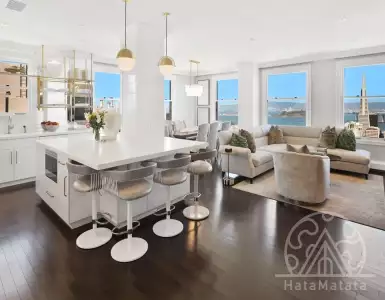
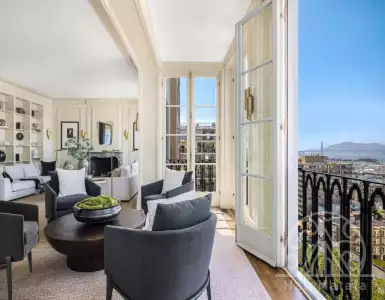
A stunning contemporary masterpiece designed by Vincent Leger-EAG Studio with interiors by Jeff Schlarb Design, this four-bedroom home built in...
Submit Request
 3
3
309
3
3
309
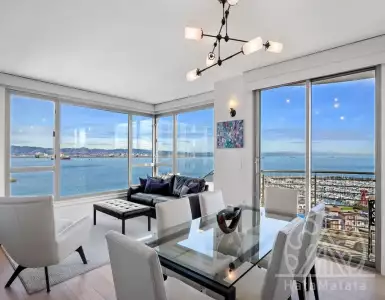
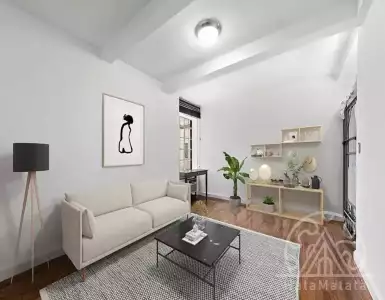
In this Pacific Heights high floor apartment, masterfully blending the timeless appeal of last century's architecture and design with modern...
Submit Request




Real estate in San Francisco for living, investment and residence permit
- ✓ Verified properties directly from developers
- ✓ No overpayments or commissions
- ✓ Guarantee of transaction purity and post-purchase support
International Real Estate Consultant
 4
5
377
4
5
377
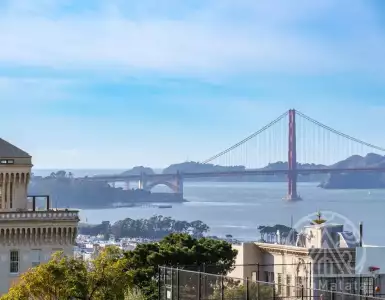
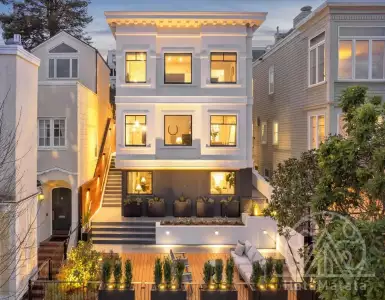
Cow Hollow: Exquisite home with bay views and expansive gardens * $5.2M loan at 2.75 APR for qualified buyers at...
Submit Request
 4
5
422
4
5
422
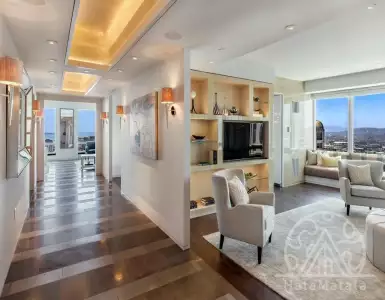
This 4-bedroom, 4,550-square-foot, three-bathroom condominium with spectacular city views features a spacious living room, open kitchen and family room, a...
Submit Request
 3
4
334
3
4
334
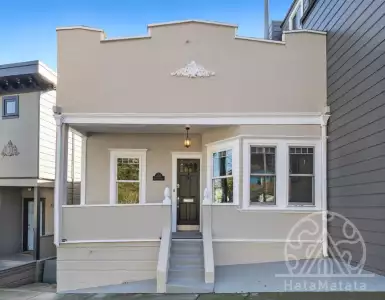
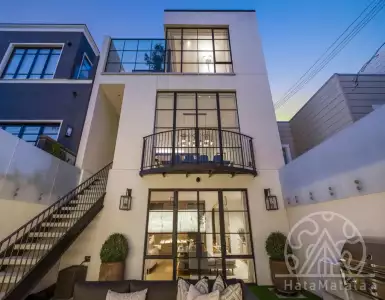
Behind a striking façade on one of the city's most desirable streets lies a thoroughly remodeled 25 Rico home unrivaled...
Submit Request

Real Estate in San Francisco
- ✓ Verified properties directly from developers
- ✓ No overpayments or commissions
- ✓ Guarantee of transaction purity and post-purchase support
International Real Estate Consultant
Leave a request and our manager will contact you.
International Real Estate Consultant
Need help choosing real estate in San Francisco?
Leave a request and we will select the 3 best options for your budget
 !
!
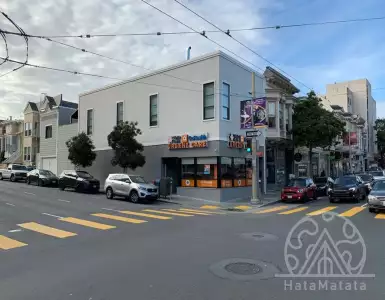
House for sale in San Francisco, USA 5 148 684 $
Originally built in 1905 and virtually rebuilt in 2018, this 4 unit mixed use trophy property occupies a prominent location...
 !
!
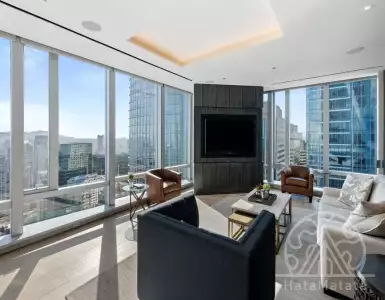
Sell flat in San Francisco, USA 3 087 212 $
Located on the northwest corner of the 181 Fremont building tower,
 Legal review:
Deni Gerikhanov, International Real Estate Lawyer
Legal review:
Deni Gerikhanov, International Real Estate Lawyer
 Financial review:
Evgeniya Skripko, Financial Expert in International Real Estate
Reviewed:
Financial review:
Evgeniya Skripko, Financial Expert in International Real Estate
Reviewed:
🇺🇸 San Francisco, CA Real Estate — Median Prices, Neighborhoods, Transit & Property Types
San Francisco is a compact, globally known city with a distinctive skyline, steep streets, bayfront parks and a high-cost housing market that attracts private buyers, second‑home purchasers and institutional investors alike. The city’s character mixes historic Victorian neighborhoods, modern high‑rise towers in SoMa and the Transbay District, and residential pockets near beaches such as Ocean Beach and the Marina, creating lifestyle choices from urban loft living to family homes with yard space. Climate is mild Mediterranean — cool, often foggy summers and wet winters — and the city’s location on a peninsula gives many neighborhoods waterfront access, ferry links and spectacular views that drive premium pricing.
🎯 Which district of San Francisco to choose for buying property in San Francisco
Pacific Heights, Sea Cliff and Presidio Heights are the city’s most prestigious enclaves where single‑family homes and townhouses dominate; buyers choose these neighborhoods for views, top‑rated private schools and long‑term capital preservation.
Marina and Cow Hollow sit between the Presidio and the bay, popular with young professionals and buyers seeking nightlife, boutiques and proximity to the waterfront; building density is moderate with a mix of era condos and renovated flats.
SoMa, Mission Bay and South Beach are the densest new‑build hubs for technology workers and investors seeking new developments in San Francisco and off‑plan property opportunities near job centers and transit.
- Pacific Heights / Sea Cliff: luxury single‑family homes, quiet streets, high security, top schools
- Marina / Cow Hollow: lifestyle-oriented, cafes, moderate density, strong rental demand
- SoMa / Mission Bay / South Beach: new build property in San Francisco, high‑rise condos, proximity to tech employers
- Noe Valley / Cole Valley: family-friendly, mid‑density, good schools and local retail
- Sunset / Richmond: beach access, more affordable single‑family options, longer commutes
💶 Property prices in San Francisco and market overview for real estate in San Francisco
Average pricing across the city is strong: the typical condominium per‑square‑foot price is in a band around $900–$1,200 per sq ft, while luxury neighborhoods regularly exceed $1,500–$2,500 per sq ft. Single‑family homes show wider spreads — citywide medians are often north of $1.2M–$1.8M, with Pacific Heights and Sea Cliff routinely trading in the $3M–$20M+ bracket.
Price segmentation is clear: entry‑level condos in neighborhoods like the Outer Sunset or portions of the Mission can start around $700k–$900k, mainstream central condos and townhouses in Hayes Valley, SoMa, and Noe Valley commonly list between $900k–$2M, and premium single‑family homes in central hills reach multi‑million levels. Recent market dynamics show constrained inventory and selective appreciation in core neighborhoods, while some new build projects offer transactional discounts or incentives to stimulate sales.
Investors should note expected rental yields are modest compared with other global cities — gross long‑term rental yields typically cluster around 3–5%, while short‑term rental income can be higher but faces strict local regulations.
- Prices by district (typical ranges)
- Pacific Heights / Sea Cliff: $3M–$20M+
- Marina / Cow Hollow: $1.5M–$5M
- Noe Valley / Cole Valley: $1.8M–$4M
- SoMa / Mission Bay: $800k–$3M (new condos)
- Sunset / Richmond: $1.2M–$2.5M
- Prices by property category
- Condominiums: $700k–$3M
- Townhouses: $1.2M–$6M
- Single‑family homes: $1.2M–$20M+
- Multi‑family investment buildings: price per door depends on cap rate and location
🚆 Transport and connectivity for buyers considering property in San Francisco
San Francisco’s public transport network includes Muni buses and light rail, historic cable cars, BART regional rapid transit and Caltrain commuter rail that links to Silicon Valley; ferries provide commuter access to Marin and East Bay. Average intra‑city travel times are competitive: cross‑town trips are commonly 20–45 minutes by public transit depending on origin and time of day.
Highways US‑101 and I‑280 provide road connections north and south; travel to San Francisco International Airport (SFO) from downtown is typically 20–30 minutes outside peak congestion, while Oakland Airport (OAK) is reachable by BART in about 35–50 minutes. Caltrain commutes to Palo Alto and Mountain View range 45–75 minutes from central stations.
For investors, proximity to transit hubs — Embarcadero, Montgomery, 4th & King (Caltrain) and the Transbay Transit Center — materially affects demand, rentability and resale value for both short and long‑term rental product.
- Key transit features
- BART stations: Embarcadero, Montgomery, Powell
- Caltrain: 4th & King (direct to Silicon Valley)
- Ferry terminals: Ferry Building, Pier 39 / ferry to Marin
- Major highways: US‑101, I‑280
- Average commute times: 20–75 minutes depending on corridor
🏫 Urban infrastructure and amenities shaping real estate in San Francisco
The city offers a concentrated network of education and healthcare institutions: University of California San Francisco (UCSF) campuses (notably Mission Bay), San Francisco State University, and numerous top private schools feed family buyer demand. Healthcare anchors include UCSF Medical Center and California Pacific Medical Center, both major employers and service providers.
Retail and leisure infrastructure are robust: Westfield San Francisco Centre, smaller neighborhood retail corridors in Hayes Valley and Fillmore, and the Ferry Building marketplace anchor lifestyle appeal for both residents and international buyers. Public parks such as Golden Gate Park and the Presidio provide outdoor recreation and directly influence adjacent property premiums.
Cultural and sports infrastructure — theaters, Symphony Hall, Oracle Park for baseball, Chase Center for basketball and concerts — sustain tourism and short‑term rental markets, while waterfront promenades and marinas increase premium valuations for bayfront properties.
- Notable facilities and hubs
- Universities: UCSF Mission Bay, San Francisco State University
- Hospitals: UCSF Medical Center, California Pacific Medical Center
- Shopping & leisure: Westfield SF Centre, Ferry Building Marketplace, Fillmore shops
- Parks and waterfront: Golden Gate Park, The Presidio, Ocean Beach
📈 Economic environment and real estate investment in San Francisco
San Francisco’s economy is anchored by technology, finance, biotech and professional services; major employers with concentrated office footprints include Salesforce (headquarters), large tech firms, and a significant cluster of startups. Tourism remains a meaningful demand driver, bringing consistent short‑term rental and hospitality activity despite regulation.
Investment flows into the city reflect a blend of local private capital and institutional interest; office and residential development in SoMa and Mission Bay remain focal points for new real estate investment in San Francisco, driven by proximity to major employers and new transit infrastructure like the Transbay Transit Center.
Macro indicators that matter for investors are job growth in tech and biotech, office occupancy trends, and municipal policies on housing supply — each influences rental demand and long‑term ROI. Institutional investors often favor multi‑family and mixed‑use assets in transit‑rich locations.
- Employment and industry highlights
- Key sectors: technology, finance, biotech, tourism
- Major corporate presences: Salesforce, Uber, Airbnb, major banks, UCSF
- Development focus: SoMa, Mission Bay, Transbay District
🏘️ Property formats and new developments in San Francisco
Buyers will find a spectrum of property types: condominiums and co‑ops prevalent in high‑density corridors, single‑family Victorian and Edwardian homes on the hills, modern townhouses in infill developments, and multi‑family walk‑ups suited for investors. New developments in San Francisco are concentrated in SoMa, Mission Bay and the Transbay District where high‑rise living and mixed‑use projects create contemporary product.
Resale property in San Francisco often carries character — period finishes, retrofits and seismic upgrades — while new build property in San Francisco typically offers modern amenities: concierge, fitness centers, seismic engineering and higher efficiency standards. Off‑plan property and developer presales are available but less ubiquitous than in some other global markets; buyers should evaluate delivery schedules and assignment clauses carefully.
Building density varies dramatically: coastal neighborhoods and western districts are low to mid density, the central business district and SoMa are high density with towers and podiums, and many residential streets maintain strict height and design controls that affect new development potential.
- Typical formats by use
- New developments: high‑rise condos, mixed‑use podiums
- Resale: Victorian/Edwardian single‑family, remodeled condos
- Investment: multi‑family buildings, small apartment blocks
- Specialty: live‑work lofts, pied‑à‑terre units in downtown towers
🏗️ Developers and key residential projects in San Francisco for buyers
Major developers active in the San Francisco market include Tishman Speyer, Hines, Lennar, Jay Paul Company, Wilson Meany and Brookfield — these firms have participated in office and residential developments across the city. Distinctive residential projects that shape the skyline and market perception include Millennium Tower, 181 Fremont, Salesforce Tower (commercial, with surrounding residential demand), One Rincon Hill and The Infinity towers near the Embarcadero.
Quality and reliability vary by developer and project scale; established national and international developers typically deliver stronger warranty and construction standards, while smaller local developers can offer niche neighborhood expertise and faster decision cycles. Buyers should review builder warranties, seismic retrofitting records, HOA financials and construction timetables for off‑plan purchases.
Project features that command premiums include seismic safety measures, rooftop and outdoor amenity spaces, on‑site parking (scarce in some neighborhoods), proximity to transit and dedicated property management services.
- Notable developers
- Tishman Speyer, Hines, Lennar, Jay Paul Company, Wilson Meany, Brookfield
- Landmark projects referenced by market participants
- Millennium Tower, 181 Fremont, Salesforce Tower (area), One Rincon Hill, The Infinity
💳 Mortgage and financing options for property in San Francisco
Foreign buyers can access mortgage products from major US lenders though underwriting standards are typically stricter for non‑residents; common conditions include higher down payments and proof of income. Typical down payment expectations for foreign buyers range from 30–50%, with loan terms offered at 15–30 years when approved. Interest rates depend on credit profile and market conditions; many buyers use local banks such as Wells Fargo, Bank of America and JPMorgan Chase or international banks with US branches.
Developer financing and installment plans are sometimes available for new developments, with staged deposit schedules that can be more flexible than resale transactions; examples include initial deposits followed by staged payments at construction milestones. Off‑plan purchasers should confirm escrow controls, deposit protection and transferability of contracts.
Buyers will need to consider closing costs, which commonly add 2–5% of the purchase price (including title insurance, escrow fees and local transfer taxes), and prepare documentation such as passport, proof of funds, and tax identifiers (ITIN) where applicable.
- Typical financing features
- Down payment for foreigners: 30–50%
- Loan terms: 15–30 years
- Closing costs: 2–5%
- Lenders commonly used: Wells Fargo, Bank of America, Chase, HSBC
📝 How to buy property in San Francisco as a foreign buyer and purchase process
Buyer steps begin with selecting a licensed California real estate agent, identifying properties or new developments, and preparing proof of funds for offers; competitive offers often require earnest money deposits typically in the 1–3% range. An accepted offer moves into escrow where inspections, appraisals, title searches and contingency periods run; typical contingencies include inspection and financing contingencies for buyers using mortgages.
Payment methods at closing are via certified funds or wire transfers to escrow; cash purchases close faster and can be advantageous in competitive submarkets. For off‑plan or new build property in San Francisco, contracts will outline staged deposits, construction timelines and HOA formation — buyers should use specialized counsel to review these terms.
Foreign buyers should obtain a tax identification number (ITIN) if planning to finance or rent the property, and engage a title company and escrow officer to manage the closing and recording process; use of a local attorney experienced in California real estate is strongly recommended for contract review and due diligence.
- Step checklist
- Choose agent and shortlist properties
- Submit offer with earnest money (usually 1–3%)
- Open escrow, inspections, appraisal, contingencies
- Close with wire transfer/cash/mortgage funding and record deed
🔐 Legal aspects, taxes and residency considerations for property in San Francisco
There are no national restrictions preventing foreign nationals from buying property in the United States; property in San Francisco can be owned by non‑residents and entities, subject to tax and reporting obligations. Property tax in California is influenced by Proposition 13, with base rates around 1% of assessed value plus local assessments — in practical terms many buyers see effective property tax bills around 1.1–1.3% of assessed value.
Purchase-related taxes and fees include city and county transfer taxes depending on the sale price, federal and state capital gains taxes on sale proceeds, and potential withholding rules for foreign sellers under FIRPTA; these fiscal elements affect net returns for investment property in San Francisco. Buying property does not directly confer residency or a residence permit; immigration‑linked investment programs (such as EB‑5) are separate federal pathways with substantial minimum investment and job‑creation requirements.
Title insurance, escrow fees and compliance with local zoning or short‑term rental rules are essential legal checks; San Francisco enforces strict short‑term rental and registration regulations, so investors in vacation rental strategies must verify local ordinances and licensing.
- Key legal and tax points
- Ownership: foreigners can buy property
- Property tax: approx 1.1–1.3% of assessed value
- Immigration: purchase does not grant residency; EB‑5 and other visas are separate
🎯 Investment property in San Francisco and use cases
San Francisco suits a variety of use cases: long‑term rentals for steady income, short‑term rentals for tourism‑driven revenue (subject to regulatory limits), buy‑to‑hold multi‑family investments for institutional style returns, and lifestyle purchases for high‑net‑worth individuals seeking urban residences. For each use case certain districts are natural fits.
Long‑term rental and buy‑to‑hold investors typically look at Noe Valley, Cole Valley and parts of the Richmond and Sunset for family tenants, or SoMa and Mission Bay for tech professionals who prioritize commute times. Short‑term / vacation rental investors often target Union Square, Fisherman’s Wharf and the Embarcadero area, recognizing municipal restrictions and permit requirements.
Capital appreciation plays to central, transit‑oriented neighborhoods like the Transbay District and Rincon Hill while value investors monitoring renovation opportunities can find potential in older Victorian flats and multi‑family properties in neighborhoods undergoing gentrification.
- Use case mapping
- Permanent residence: Pacific Heights, Noe Valley, Presidio Heights
- Long‑term rental: Noe Valley, Cole Valley, Sunset, Richmond
- Short‑term rental / holiday: Union Square, Fisherman’s Wharf, Embarcadero (check local rules)
- New build investment: SoMa, Mission Bay, Transbay District
Purchasing property in San Francisco requires careful balance of location, building type and financing structure; experienced local agents, reputable title and escrow services, and thorough due diligence on developer promises, HOA finances and municipal rules are essential components of a successful acquisition. Whether you seek property in San Francisco for lifestyle, long‑term rental income, or strategic real estate investment in San Francisco, planning around transit corridors, employment hubs and regulatory frameworks will determine both cashflow and long‑term capital growth.
Frequently Asked Questions
How much do homes cost in San Francisco?
San Francisco prices vary by property type and neighborhood. Typical ranges: condos $600,000–2,500,000; single-family houses $1,000,000–5,000,000+; luxury/mansions substantially higher. Price per sq ft commonly runs about $800–1,400+ depending on area. Expect premium pricing in Pacific Heights, Russian Hill and Presidio; lower entry points in Outer Sunset, Richmond and parts of Excelsior. Budget for 20–30% down for competitive offers.
Can foreigners buy property in San Francisco?
Yes — non‑US citizens can purchase and hold real estate in San Francisco with no citizenship requirement. Financing is available but often requires larger down payments (typically 30–50%) and additional documentation or an ITIN. Foreign sellers may face U.S. tax withholding rules on sale proceeds and must file U.S. tax returns. Buying property does not confer residency or visas; consult a tax and immigration advisor before transacting.
Is San Francisco good for real estate investment?
San Francisco has strong demand and liquidity but compressed yields. Typical gross rental yields often range 2%–4% for condos and 1%–3% for single‑family homes; net yields are lower after taxes, HOA and operating costs. High demand near transit and tech hubs supports low vacancy and capital appreciation potential, but expect low yields, strict local regulations, and higher transaction costs compared with many US markets.
What are common taxes and closing costs in SF?
Expect buyer closing costs of roughly 2%–5% of purchase price (escrow, title, inspections, lender fees). Property tax is roughly 1% of assessed value plus local levies (~1.1% total typical). San Francisco levies a documentary/transfer tax that can add thousands to tens of thousands depending on price tier. Sellers often cover transfer tax in high-value deals. Factor in HOA reserves, capital gains taxes on sale, and potential local business or occupancy taxes.
Which SF neighborhoods rent best for investors?
For rental demand: SoMa, Mission and Mid‑Market attract young professionals and short commutes to tech; Hayes Valley, Noe Valley and Inner Sunset appeal to families and command stable rents; Marina and Pacific Heights target luxury renters with higher rates. Outer Richmond and Sunset offer lower entry prices and steady long‑term tenants. Match neighborhood to tenant profile: tech renters vs families vs luxury to optimize occupancy and rent levels.
Can I run short‑term rentals in San Francisco?
Short‑term rentals are tightly regulated in San Francisco: hosts must register with the city and most listings must be the host's primary residence. There are limits on full‑home listings, registration requirements, and significant fines for noncompliance. Demand peaks in summer and during conventions, but regulatory limits and enforcement can reduce revenue predictability. Always verify registration rules and HOA covenants before listing.
Is San Francisco good for digital nomads and remote work?
Yes—San Francisco offers excellent broadband (many buildings with gigabit options), abundant cafes and coworking spaces, and a strong tech community. Cost of living and rents are high; expect higher monthly housing costs compared with many cities. Long stays are feasible but check local short‑term rental rules and landlord lease lengths; many remote workers prefer 6–12 month leases or serviced apartments to balance flexibility and cost.
What should I check when buying a new‑build in SF?
For off‑plan or new builds, review permits, municipal approvals, and HOA draft budgets. Check contract staging of deposits, construction timelines and remedies for delays, warranty terms (structural and systems), and escrow protections for deposits. Obtain independent inspections, lien searches, and verify reserve funds and CC&Rs. Ensure clear completion milestones and a contingency plan for financing if construction overruns occur.
How do taxes differ for owner‑occupied vs investment homes?
Primary residences in the U.S. may qualify for capital gains exclusions (up to $250k single / $500k married) on sale if ownership and use tests are met; rental properties do not. Rental income is taxable but allows deductions (mortgage interest, property tax, repairs, depreciation over 27.5 years). Investment sales may use 1031 exchanges to defer gains if exchanged for other investment property. Consult a CPA for federal and California tax implications.
How long does buying a home in San Francisco take?
Typical timelines: under contract to close usually 30–45 days for resale with lender financing; inspections and contingency periods often 7–17 days depending on contract; cash deals can close faster. Off‑plan or new construction can take months to years from contract to delivery; expect staged payments and longer wait times. Allow extra time for municipal approvals, HOA review, and lender underwriting in competitive markets.
Property by cities
Properties by Region
Services in San Francisco
Properties by Country
- Real estate in Bulgaria (11425)
- Real estate in Montenegro (5420)
- Real estate in Spain (5202)
- Real estate in Turkey (2800)
- Real estate in Indonesia (2424)
- Real estate in Portugal (2037)
- Real estate in Croatia (1697)
- Real estate in Cyprus (1618)
- Real estate in Italy (1576)
- Real estate in Thailand (1565)
- Real estate in Greece (1120)
- Real estate in France (1070)
- Real estate in USA (732)
- Real estate in Georgia (507)
- Real estate in Serbia (251)
- Real estate in Slovenia (125)
- Real estate in Egypt (20)
Get the advice of a real estate expert in San Francisco — within 1 hour
Looking for a property in San Francisco? Leave a request — we will help you take into account all the nuances, and we will offer objects according to your personal request.

Maria Guven
Head of Direct Sales Department
+90-507-705-8082