 98 774 $
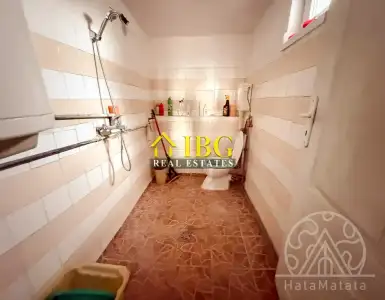
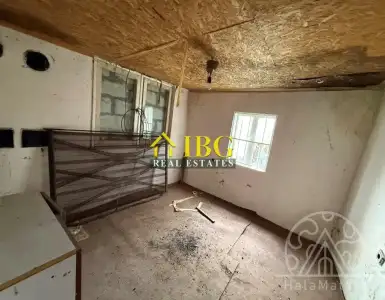
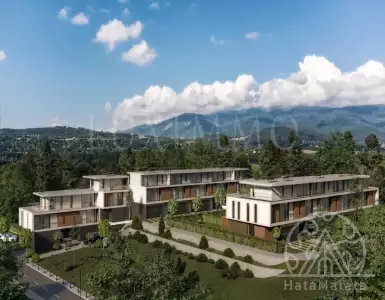
House with 2 bedrooms in Chervena Voda, Bulgaria
Bedrooms: 2 Bathrooms: 1
Chervena Voda, Bulgaria
Discover prime properties in Bulgaria, offering stunning landscapes, affordable living, and a vibrant culture. Ideal for both lifestyle and investment, with high rental yields and growing tourism..
 Valeriy Tarenko, International Real Estate Investment Expert
Updated:
98 774 $
Chervena Voda, Bulgaria
 58 057 $
Chervena Voda, Bulgaria
 Park View view 15 364 $
Borovo, Bulgaria
 151 454 $
Kosharitsa, Bulgaria
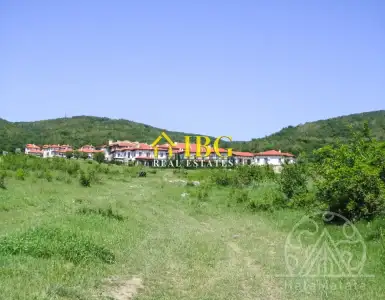 178 892 $
Kosharitsa, Bulgaria
 42 802 $
Kosharitsa, Bulgaria
Save time — for free we will select objects for your budget and goals
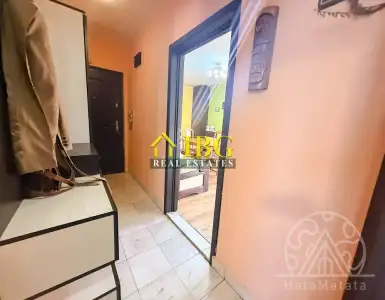 148 162 $
Ruse, Bulgaria
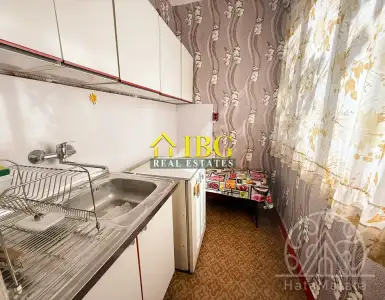 73 532 $
Ruse, Bulgaria
 133 894 $
Ruse, Bulgaria
 1 207 249 $
Sofia, Bulgaria
 735 324 $
Sofia, Bulgaria
 620 526 $
Sofia, Bulgaria
 737 519 $
Bozhurets, Bulgaria
 543 262 $
Balchik, Bulgaria
 460 949 $
Balchik, Bulgaria
 537 774 $
Varna, Bulgaria
 497 167 $
Varna, Bulgaria
 2 304 749 $
Varna, Bulgaria
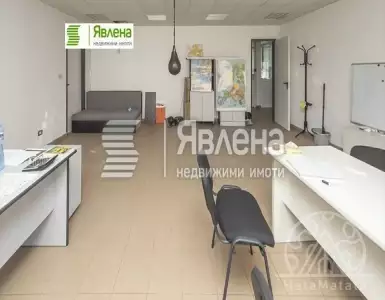 276 125 $
Sofia, Bulgaria
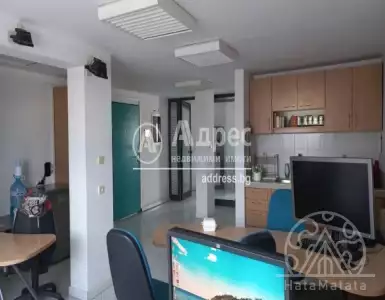 192 192 $
Sofia, Bulgaria
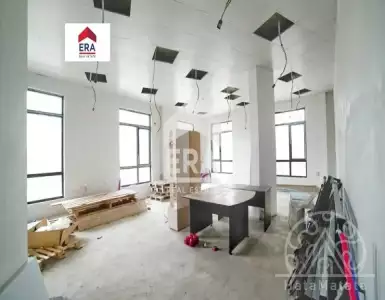 242 768 $
Sofia, Bulgaria
 119 024 $
Plovdiv, Bulgaria
 249 960 $
Plovdiv, Bulgaria
 308 170 $
Plovdiv, Bulgaria
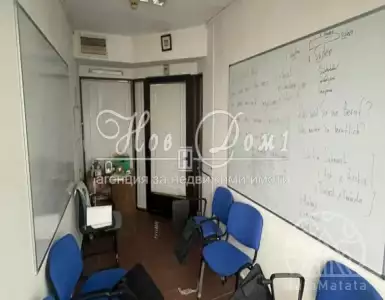 21 914 $
Varna, Bulgaria
 83 091 $
Varna, Bulgaria
 196 887 $
Varna, Bulgaria
 491 679 $
Sofia, Bulgaria
 1 376 703 $
Sofia, Bulgaria
 1 755 999 $
Sofia, Bulgaria
 Burgas region
1 192 listings
 Sofia
599 listings
 Varna region
177 listings
 Plovdiv region
161 listings
 Dobrich
53 listings
 Legal review:
Deni Gerikhanov, International Real Estate Lawyer
 Financial review:
Evgeniya Skripko, Financial Expert in International Real Estate
Reviewed:
Bulgaria is a country where affordable prices, a mild climate, and European stability come together in one place. It is an EU member located on the Balkan Peninsula and washed by the Black Sea. The country’s area is 110,994 km², population about 6.4 million, and the capital is Sofia. The official language is Bulgarian and the currency is the euro (since 1 January 2026 levs have been exchanged at the fixed rate of 1.95583 BGN per EUR)1, ensuring price stability and a predictable market.
Bulgaria is a member of the EU and NATO, with transparent laws and attractive conditions for foreigners. The economy is growing: according to Eurostat, Bulgaria’s GDP in 2024 exceeded €100 billion, with annual growth of 3.3%. Key sectors include tourism, construction, IT, and agriculture.
The real estate market is stable and not overheated, and foreigners can freely buy apartments and commercial properties, although non-EU nationals cannot own land directly2.
The climate is a mild continental one, with warm summers (+27…+32°C) and mild winters (0…+8°C) on the coast. The Black Sea is calm, and the swimming season runs from May to October. Thanks to its proximity to the rest of Europe, Bulgaria is convenient both for relocation and for investing in seaside housing with rental income.
The cost of living is 40–60% lower than in Western Europe, and real estate is among the most affordable in the EU. A seaside apartment starts from €35,000, while apartments in elite resorts start from €90,000. Rentals and tourism bring 5–8% annually, while property taxes remain minimal.
Bulgaria offers a wide choice of locations — from seaside resorts to new builds in the capital and mountain areas.
Most in demand are apartments in serviced complexes with pools and on-site management — they provide stable nightly rentals in summer and long-term rentals in winter.
Bulgaria combines European quality of life with accessible prices. Families, investors, entrepreneurs, and digital nomads move here for the mild climate and straightforward residence procedures.
Foreigners can freely buy apartments and buildings in Bulgaria, while non-EU nationals can acquire land (for example, a villa with a plot) only through a Bulgarian company2. Apartments, condos, villas, and commercial spaces are registered as full freehold.
Market features:
We work with reliable developers and local agencies across Bulgaria, sourcing properties directly — with no hidden fees or markups.
Bulgaria’s real estate market is growing steadily while keeping a low entry threshold. According to Imoti net and Euronews, the average price increase in 2024 was 6.8%, and up to 10% in coastal areas.
Average rental yields are 5–8% annually, higher in season. In Sunny Beach, apartments can rent for €50–100/night, with 70–80% annual occupancy. Varna and Burgas are also attractive for long-term rentals, with growing demand from students, IT professionals, and expats.
Bulgaria offers a rare combination: a stable European market, low taxes, and predictable growth — without overheating and speculation.
Bulgaria has been an EU member since 2007, a key driver of its investment appeal.
As of 1 January 2025, the country officially entered the Schengen Area, having first opened air and sea borders (March 2024) and then land borders.
Now property owners, residents, and travelers can move freely between Bulgaria and other Schengen countries, simplifying living, tourism, and business.
EU and Schengen membership has strengthened confidence in Bulgaria’s economy and property market. EU funds continue to invest in infrastructure — roads, hospitals, schools, water systems — which raises quality of life and property values.
For property buyers this means:
Joining Schengen and adopting the euro make Bulgaria’s property market one of the most resilient and promising in Eastern Europe — less bureaucracy, more mobility, and confidence in long-term asset value.
We guide clients at every stage — not just choosing a property, but understanding the market, comparing strategies, and making a well-informed decision. We work with vetted developers and local agencies with strong track records in Bulgaria’s property market, giving our clients access to a wide selection — from off-plan to ready-to-rent seaside apartments and managed income projects.
Our support involves no additional costs for the client — services are transparent and results-driven.
Bulgaria combines affordable prices with EU status: mild climate, a long Black Sea season, clear title registration, and low property taxes. It’s easy to buy seaside property for holidays and rentals, or an apartment in Sofia for living and work. Resort-complex apartments and new builds in Varna/Burgas offer a strong balance of price and liquidity.
No. An ordinary purchase grants neither EU citizenship nor residency: long-term residence requires investing at least BGN 600,000 (≈ €306,775) in property and holding a D visa3. Citizenship by investment was abolished in 2022, and naturalisation requires at least 5 years since obtaining permanent or long-term residence7. Many buyers’ path is: buy property → secure long-term status → move toward PR.
Yes. Non-residents can open accounts to pay for property and receive rent. Banks typically request a passport, proof of address, and source-of-funds. An account is convenient for euro transactions, service/HOA fees in seaside complexes, utilities, and rental income.
In resort complexes in Sunny Beach, Varna, and Burgas, HOA fees are usually €8–15/m² per year (depends on amenities: pools, security, reception, landscaping). Utilities are moderate: electricity and water are metered, averaging €30–60/month with regular occupancy — convenient for seasonal use and letting.
Yes. Remote purchases are common: a notarized power of attorney is issued, legal due diligence is done, a preliminary contract and notarial deed are signed, and funds are transferred by bank. This is convenient for CIS buyers; we manage the process online, arrange video viewings, and coordinate euro settlements.
In Varna, Sofia, and Plovdiv there are public and private schools, including international (English-language) programs. Healthcare includes public polyclinics and private clinics; a private insurance policy or health cover with Bulgarian residency provides access to quality services. Many families buy a city apartment and a seaside unit for holidays.
In resort areas, realistic yields are 5–8% annually; higher is possible in peak season with prime locations and good management. You can rent independently via platforms or through the complex’s management company (handling marketing, guest check-in, and reporting). Seaside demand is strongest in summer; Sofia has stable year-round long-term demand.
Yes — it’s one of the most comfortable EU options: mild coastal winters, low living costs, accessible services, and a relaxed pace. Retirees often choose seaside apartments with elevators and amenities, small houses near Varna/Burgas, or city apartments in Sofia close to medical centers. Expenses are predictable; utilities are moderate.
Investors focus on seaside apartments in large complexes (Sunny Beach, Sveti Vlas, Varna, Burgas) and urban apartments in Sofia/Plovdiv. Resort assets offer seasonal returns and resale potential; city assets provide stable year-round rents. New builds with installments and clear management are the most popular entry format.
One-time: notary & registration fees, local purchase tax of 0.1–3% of the assessed value, set by the municipality4. Annual: property tax of 0.01–0.45% of the tax assessment, set by the municipality5. Utilities and HOA fees depend on the property type and complex. Compared with other EU countries, the overall burden is low — enhancing Bulgaria’s appeal for living and investment.
The most affordable listing in Bulgaria starts from 9 500 $ right now, out of 2 243 properties in the catalog. Sort the catalog by price to see the cheapest first and compare them with nearby towns in the region. HataMatata catalog data as of November 29, 2026.
Yes: 939 of 2 243 properties in Bulgaria (42%) have a pool, private or shared in the complex. The most affordable of them starts from 18 000 $. HataMatata catalog data as of November 29, 2026.
Yes: 43 of 2 243 properties in Bulgaria (2%) are in new or under-construction developments. The most affordable of them starts from 37 000 $. HataMatata catalog data as of November 29, 2026.
Leave a request and receive free advice on prices, taxes, residence permits and the real estate market in Bulgaria.