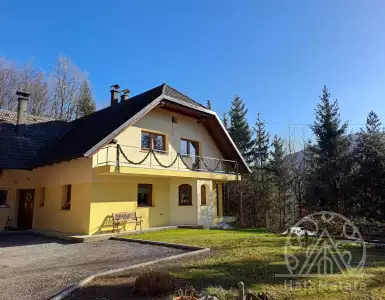
 663 751 $
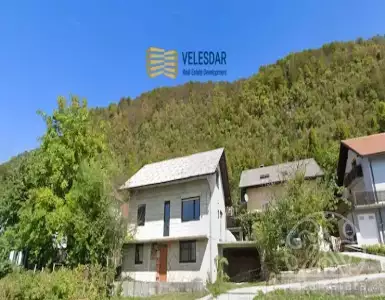 264 835 $
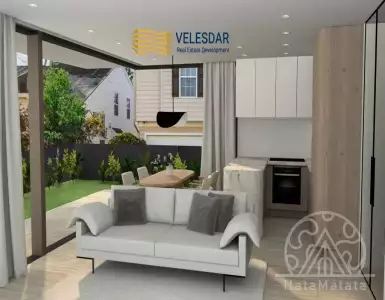 847 696 $
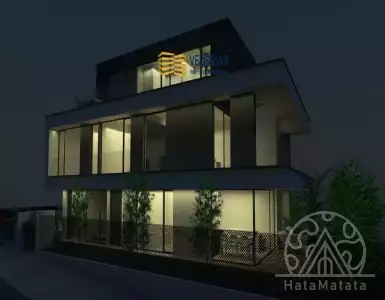 1 299 801 $
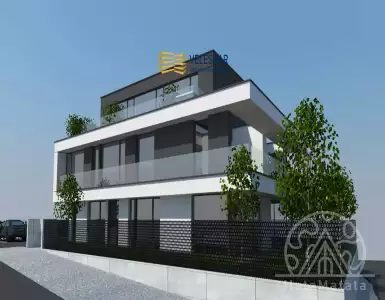 847 696 $
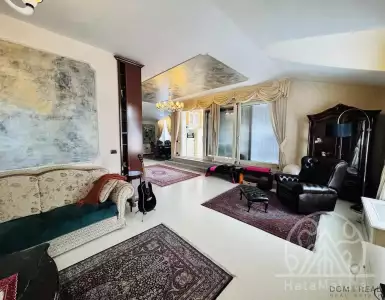 1 217 802 $
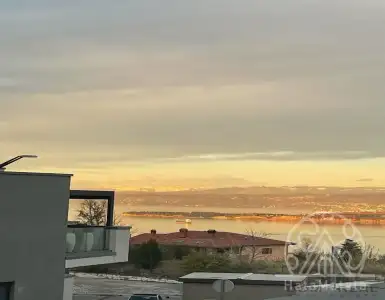 509 726 $
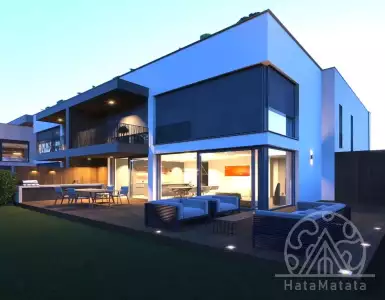 791 723 $
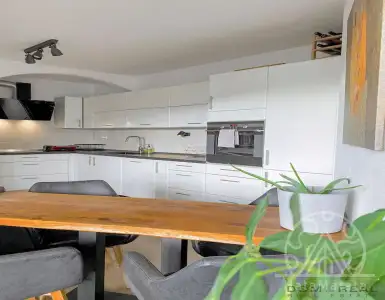 349 051 $
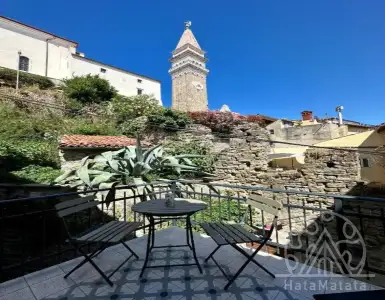 720 265 $
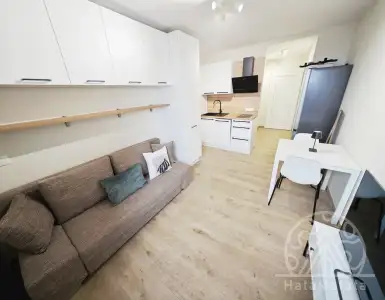 154 025 $
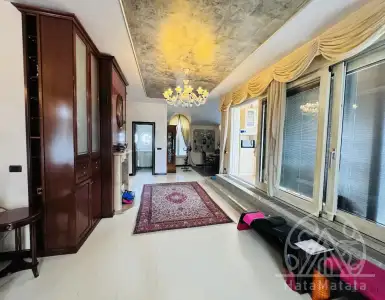 1 097 019 $
 Obalno-Kraška
 Central Slovenia
 Gorenjska
 Legal review:
Deni Gerikhanov, International Real Estate Lawyer
 Financial review:
Evgeniya Skripko, Financial Expert in International Real Estate
🇸🇮 Flat purchase in Inner Slovenia — market overview, prices and legal considerations
Inner Slovenia offers a compact but diverse market for anyone looking to buy flat in Inner Slovenia — from first-time private buyers to institutional investors. The region combines Ljubljana’s urban core and surrounding municipalities with the Karst and Notranjska (Inner Carniola) towns such as Postojna and Ilirska Bistrica, creating varied demand patterns: city commuters, university students, holiday renters, and long-term investors. Accessibility by the A1 motorway, rail links through Ljubljana Jože Pučnik Airport (Ljubljana Airport) and the proximity of BTC City and University Medical Centre Ljubljana shape housing preferences and rental liquidity, so buyers should match location, layout and price expectations to use.
💶 How much Flat costs in Inner Slovenia
Inner Slovenia shows clear price differentiation between the Ljubljana metropolitan area and the more rural Notranjska municipalities. Buyers will find a wide spectrum from compact studios to spacious family flats, with pricing driven by location, new versus resale, and proximity to transport nodes.
- Ljubljana centre (Center, Šiška, Bežigrad): €3,200–€4,800/m² for resale flats; new developments commonly ask €3,800–€5,500/m². Typical sizes: studios 30–45 m², one-bedroom 45–65 m², two-bedroom 65–95 m².
- Ljubljana suburbs and commuter towns (Vič, Moste-Polje, Domžale, Vrhnika): €1,800–€3,200/m² depending on rail or highway access; two-bedroom flats average 60–85 m².
- Notranjska towns (Postojna, Pivka, Ilirska Bistrica, Cerknica): €800–€1,800/m² for most flats; newly renovated or energy-efficient units can exceed €2,000/m².
Buyers should expect transaction-level prices as sums rather than per-square rates: a typical two-bedroom flat in Ljubljana centre sells for €250,000–€420,000, while similar space in Postojna ranges €70,000–€160,000. New developments of flat in Inner Slovenia often command a premium of 8–20% over comparable resale flat, driven by energy certificates and modern layouts.
🎯 Which district of Inner Slovenia to choose for buying Flat
Choosing which district of Inner Slovenia depends on purpose: living, rental, seasonal use or pure investment. Each area has distinct transport, schools, and demand drivers that affect liquidity and rental yield.
- Center (Ljubljana): Best for long-term capital growth, proximity to University of Ljubljana and UKC Ljubljana ensures steady rental demand from students and professionals; public transport, cultural venues, and pedestrian infrastructure are strong.
- Bežigrad and Šiška: Favoured by families and young professionals because of parks, new office developments and direct tram/bus links; rental demand is consistent and yields are mid-range.
- Vič and Moste-Polje: Offer better price-per-m² ratios and quick highway access (A1), suitable for commuters to Ljubljana and for buyers seeking larger layouts.
- Postojna and Pivka: Attractive for second-home buyers and holiday rental investors due to proximity to Postojna Cave and Karst tourism; purchase prices are lower and short-term rental yields can be higher seasonally.
Advantages by district appear in practical terms: central districts provide higher capital appreciation, suburbs provide better affordability and Notranjska towns provide higher entry yields for investors. Buyers prioritising quick liquidity should focus on Center, Bežigrad and Vič, while those seeking cash-flow or holiday rentals may prefer Postojna or Cerknica.
📈 Economy and investment climate in Inner Slovenia influencing Flat
The region’s economy is anchored by Ljubljana’s role as administrative, educational and service hub, which keeps demand for flats resilient. Business parks and tech clusters around Ljubljana generate stable employment, while tourism in Notranjska brings seasonal inflows.
- Business environment: Ljubljana hosts multinational offices, the University of Ljubljana, IDX-listed companies and growing IT and fintech clusters; this creates steady demand for rental flat near business parks and transport links.
- Tourist flows: Attractions such as Postojna Cave and access to the Karst region sustain short-term rental markets in Notranjska; proximity to the motorway and airport amplifies tourist accessibility.
- Tax and liquidity: Slovenia’s corporate tax environment and EU membership simplify cross-border investment. Liquidity for flat in Inner Slovenia is highest in urban nodes where secondary-market transactions occur frequently.
Investment in flat in Inner Slovenia benefits from predictable demand pillars: university students, health sector staff at UKC Ljubljana, and regional tourism. These factors translate into stable rental occupancy and decent long-term ROI on flat in Inner Slovenia when location and unit type match tenant profiles.
🏗️ Leading developers and new developments of flat in Inner Slovenia
New developments of flat in Inner Slovenia concentrate around Ljubljana and major transport corridors. Buyers looking for developer installment plan for flat in Inner Slovenia should prioritise established builders and municipal projects.
- Prominent developer and construction names: CGP d.d. (construction and residential projects in Ljubljana), Stanovanjski sklad Mestne občine Ljubljana (municipal housing initiatives), and larger construction groups participating in mixed-use schemes in the BTC and Stožice corridors.
- Key development zones and complexes: Residential expansion near BTC City, the Stožice area and infill projects in Bežigrad and Vič deliver modern flats with energy certificates and communal infrastructure.
- Project formats and payment terms: Developers commonly offer reservation deposits (small, €2,000–€10,000), staged payments during construction, and final settlement at handover; some projects include underground parking, storage rooms, and communal green courtyards.
When evaluating projects, verify building permits, energy class, and developer track record. New developments of flat in Inner Slovenia often carry a VAT charge on purchase price, which influences total cash outflow versus resale flat purchases.
💳 Mortgage and installment conditions for foreigners buying Flat in Inner Slovenia
Foreign buyers can access mortgage for flat in Slovenia for foreigners, though terms differ by nationality and bank appetite. EU/EEA citizens generally have the smoothest access; non-EU buyers may face additional requirements.
- Typical lending parameters: Banks commonly approve LTV up to 70–80% for EU/EEA buyers and 50–70% for non-EU buyers; mortgage durations commonly up to 30 years.
- Rates and margins: Mortgage rates are usually set as Euribor + bank margin or fixed-rate products; buyers should expect effective rates commonly in the low to mid single digits depending on market conditions and borrower profile.
- Required documents and down payments: Lenders request passport/ID, proof of income, employment contract, bank statements, and property valuation. Down payments typically 20–30% for EU buyers and 30–40% for non-EU buyers; proof of residence status and tax residency affects approvals.
Developer installment plan for flat in Inner Slovenia is a frequent alternative to bank financing: these plans often require staged payments (10–30% deposit, progress payments tied to milestones, final payment at handover) and sometimes include completion guarantees or escrow arrangements.
🧾 Legal process of buying Flat in Inner Slovenia and property taxes on flat in Slovenia
The legal and fiscal landscape distinguishes between new developments subject to VAT and resale flat purchases subject to real estate transfer tax, and the transaction follows a well-defined notarial path.
- Costs and taxes: For developer sales of new builds, VAT at 22% usually applies; for resale flat, buyers typically pay real estate transfer tax of 2% on the purchase price. Notary and land registry fees range from €300–€2,000, depending on the transaction complexity, while agency fees are commonly around 3% with VAT.
- Step-by-step transaction flow: Selection and reservation (small deposit), preliminary contract, due diligence (encumbrances and land register check), notarial purchase contract, payment, and registration with the Land Registry (zapis lastništva). Energy performance certificate and zoning/building permit verification are mandatory for developer sales.
- Mandatory procedures and timelines: Notary completes public deed and registration; registration timelines vary but are commonly a few weeks for clear-title transactions. Buyers must account for municipal connection fees, utility transfers and potential renovation permits.
Purchase of flat in Inner Slovenia does not automatically grant residence permit or citizenship. EU/EEA citizens have freedom of acquisition; non-EU nationals may require permit procedures for property ownership and should consult immigration authorities. Citizenship through investment in flat in Inner Slovenia is not an available direct route.
🎯 For which purposes buying Flat in Inner Slovenia is suitable
Different buyer goals align with different locations and property formats across Inner Slovenia, from daily living to seasonal rentals and pure investment plays.
- Living and relocation: Flats in Vič, Bežigrad, Šiška and Center are ideal for families and professionals because of schools, healthcare (UKC Ljubljana), and transport; one- and two-bedroom flats sized 60–95 m² dominate demand.
- Seasonal and second-home use: Postojna, Cerknica and the Karst corridor suit holiday apartments; compact flats 40–70 m² near attractions have attractive short-term rental potential.
- Rental investment and ROI: Long-term rental demand is strongest in Ljubljana university and hospital catchments, producing gross rental yields of around 3–5% in central areas and 4–6% in commuter towns or Notranjska for conventional leases.
- Premium segment and family purchases: Larger flats and penthouses in Center and Bežigrad with private parking and terraces achieve premium pricing and appeal to high-net-worth buyers seeking stable capital preservation.
Buyers should match layout (studios vs multi-bedroom), energy class and proximity to transport to intended use to optimise rental yield and occupancy.
🛠️ Due diligence, registration and practical steps when you Buy flat in Inner Slovenia
Practical checks prevent surprises and accelerate closing when buying a flat in Inner Slovenia.
- Technical due diligence: Verify the building’s structural condition, energy certificate, communal debts, and planned maintenance. For older buildings confirm façades, roofs and elevator status; request minutes from the homeowners’ association.
- Legal checks and encumbrances: Confirm ownership and existence of mortgages or easements in the Land Registry (Zemljiška knjiga). For resale flat check tax liabilities and whether the sale is subject to transfer tax or VAT.
- Handover and post-purchase tasks: Arrange utility transfers, register ownership with the municipality, and ensure final metering. Budget for common charges and reserve funds for building maintenance.
Practical timelines for a typical purchase from reservation to registration are usually 6–12 weeks for resale flat with clear title and longer for new-build completions depending on construction schedules and developer payment terms.
Inner Slovenia’s flat market continues to balance affordability outside Ljubljana with robust demand inside the capital and its commuter belt. The combination of steady rental pools from universities and hospitals, accessible tourist nodes in the Karst, and predictable legal frameworks maintains investor interest in both resale flat in Inner Slovenia and new developments of flat in Inner Slovenia. For buyers seeking mortgage for flat in Slovenia for foreigners, developer installment plan for flat in Inner Slovenia, or sustainable rental yields, aligning budget, timeline and intended use with the right district and verified developer will produce the best long-term returns and living outcomes.