


 185 030 $
House with 2 bedrooms in Mojdez, Montenegro
Bedrooms: 2
Mojdez, Montenegro
Explore our catalogue of properties in Montenegro. Enjoy stunning views, Mediterranean climate, affordable living costs, and excellent investment opportunities.
 Valeriy Tarenko, International Real Estate Investment Expert
Updated:
185 030 $
Mojdez, Montenegro
 216 430 $
Mojdez, Montenegro
 280 349 $
Mojdez, Montenegro
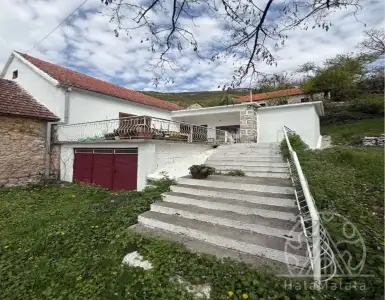 84 104 $
Niksic, Montenegro
 84 104 $
Niksic, Montenegro
 140 174 $
Niksic, Montenegro
Save time — for free we will select objects for your budget and goals
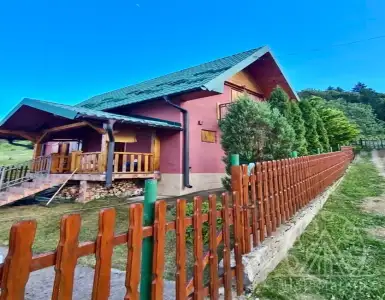 224 279 $
Kolasin, Montenegro
 Mountain View view 220 915 $
Kolasin, Montenegro
 89 711 $
Kolasin, Montenegro
 93 076 $
Utjeha, Montenegro
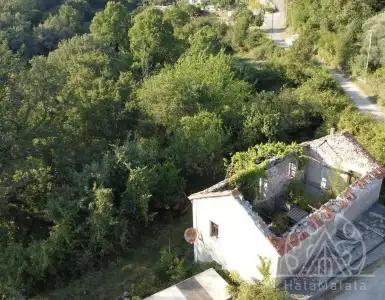 93 076 $
Utjeha, Montenegro
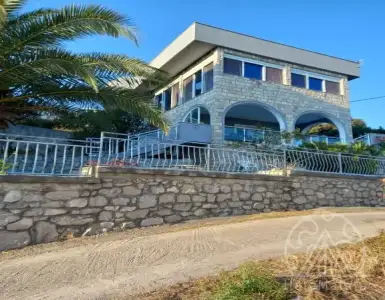 Sea View view 313 991 $
Utjeha, Montenegro
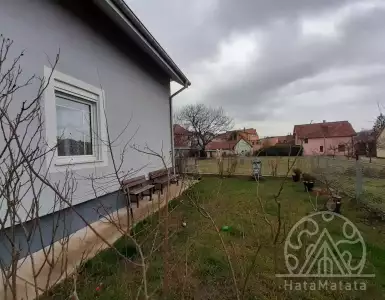 179 423 $
Cetinje, Montenegro
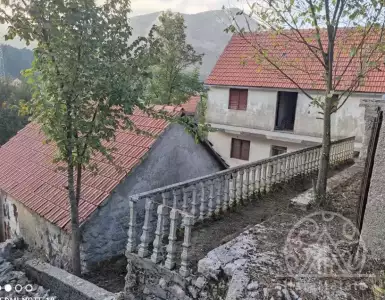 98 683 $
Cetinje, Montenegro
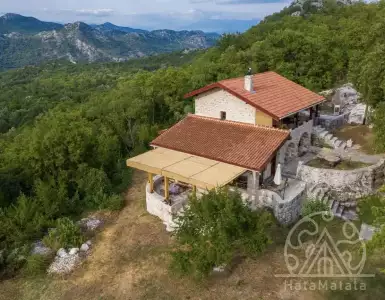 750 777 $
Cetinje, Montenegro
 235 493 $
Podgorica, Montenegro
 190 637 $
Podgorica, Montenegro
 176 620 $
Podgorica, Montenegro
 784 979 $
Radovici, Montenegro
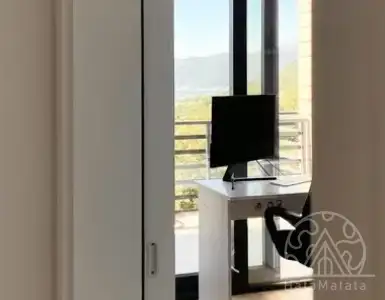 Sea View view 392 489 $
Tivat, Montenegro
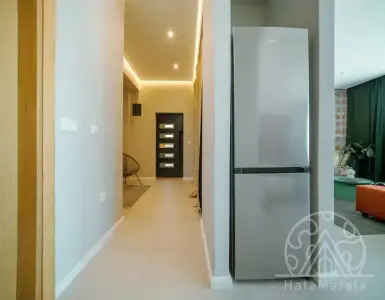 Sea View view 661 625 $
Krasici, Montenegro
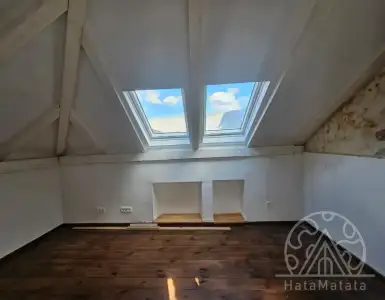 Sea View view 1 401 749 $
Prcanj, Montenegro
 Sea View view 527 057 $
Kavac, Montenegro
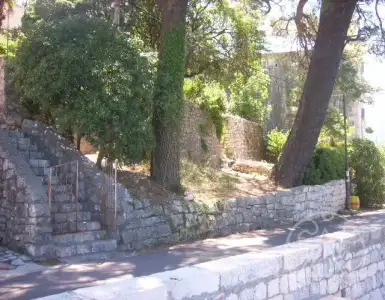 Sea View view 1 513 889 $
Dobrota, Montenegro
 143 539 $
Susanj, Montenegro
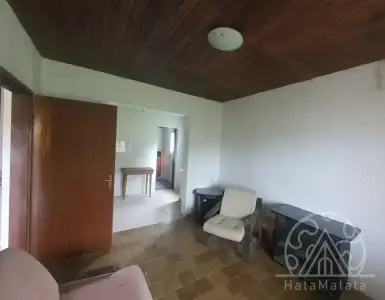 Sea View view 188 395 $
Bar, Montenegro
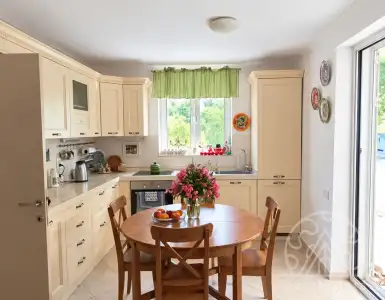 414 917 $
Sutomore, Montenegro
 302 777 $
Zabljak, Montenegro
 95 318 $
Zabljak, Montenegro
 235 493 $
Zabljak, Montenegro
 Legal review:
Deni Gerikhanov, International Real Estate Lawyer
 Financial review:
Evgeniya Skripko, Financial Expert in International Real Estate
Reviewed:
Montenegro invites buyers with a compact, diverse coastline, high tourist demand, and growing international recognition as a safe, tax-efficient place to own real estate. Coastal geometry—from the fjord-like Boka Bay to long sandy stretches in Ulcinj—creates pronounced micro-markets that directly influence pricing, liquidity, and rental potential. Domestic infrastructure including Tivat Airport, Podgorica Airport, the Adriatic highway (E65/E80) and the Port of Bar supports year-round access, while UNESCO-protected Kotor, luxury marina Porto Montenegro and resort clusters at Luštica Bay and Portonovi concentrate premium demand. Buyers assessing a House in Montenegro must weigh geography, proximity to airports and marinas, seasonality of rental demand, and local amenities such as international schools, marinas, and hospital access when choosing location and product type.
Montenegro’s coastline and mountainous interior create sharply different markets: coastal towns command premium prices and seasonal rental peaks, inland areas like Podgorica offer steady year-round demand and lower entry prices. Bays and peninsulas—Boka Bay, Lustica Peninsula, Budva Riviera—are top draws because they combine natural beauty with yacht access, historic towns, and resort developments that attract both holidaymakers and long-stay residents.
Coastal infrastructure defines liquidity: properties within 5–15 minutes of Tivat Airport (Porto Montenegro, Tivat suburbs) or adjacent to marinas sell faster and achieve higher nightly rates than comparable homes farther from transport links. Road corridors—Adriatic highway and connections to neighboring Croatia and Albania—improve accessibility for short-term tourists and cross-border investors.
Urban infrastructure influences family and relocation buyers: Podgorica and Bar provide hospitals, universities, and government services; Herceg Novi and Kotor offer historic urban fabric but limited new land for large-scale development. Investors evaluate local rental markets, accessibility, and the presence of international operators (marinas, boutique hotels, branded residences) when selecting a House for sale in Montenegro.
Montenegro is an open, tourism-driven economy where services and hospitality are major GDP contributors; tourism often represents roughly a fifth of economic activity, which directly supports short-term rental demand and seasonal price uplift. Fiscal policy includes a standard VAT rate of 21%, which applies to new-build sales by developers and affects house purchase costs in Montenegro when buying off-plan.
Taxation for owners includes municipal property tax (varies by municipality, often a small percentage of cadastral value) and potential capital gains or income taxes on rental income subject to local rules; investors must factor Property taxes in Montenegro for foreigners and VAT into operating models. Banking sector depth and a business-friendly registration environment support foreign investment, but market liquidity and ROI fluctuate with tourism cycles and broader regional economic conditions, so Investment house in Montenegro decisions should incorporate occupancy forecasts and tax scenarios.
Government efforts to attract foreign buyers—through strategic resort concessions and incentives for hospitality developments—have concentrated capital into projects such as Porto Montenegro, Luštica Bay, and Portonovi, increasing the supply of high-end villas and branded residences but leaving mid-market detached houses in smaller towns as attractive value plays for yield-oriented buyers.
House prices in Montenegro vary sharply by location, size, proximity to sea, and whether the property is new or completed; expect ranges from affordable inland houses to multi-million-dollar coastal villas. Typical price formats and ranges in USD:
Coastal hotspots and airport-proximate zones dominate foreign buyer interest due to tourism, marinas, and resale liquidity:
Major projects and developers shaping coastal supply include:
Montenegrin banks offer mortgage products to non-residents, but terms are conservative and often require higher down payments and specific documentation. Typical conditions:
Buying a house in Montenegro follows a structured legal path that minimizes risk when each step is observed:
Foreign ownership rights are well-established, but regulatory nuances matter for prospective buyers:
Different buyer goals map to different locations and house types:
Montenegro’s housing market balances approachable entry-level opportunities inland with a concentrated high-end coastal segment driven by marinas, branded resorts and international tourism; for buyers and investors the critical variables are proximity to transport and marinas, developer credibility, clear title and realistic cashflow modeling. With careful legal due diligence, conservative financing structures, and attention to local tax regimes, a purchase can deliver diversified benefits—lifestyle, rental income and capital appreciation—across Montenegro’s compact yet varied real estate landscape.
House prices in Montenegro range from about €30,000 for small inland houses to €1,000,000+ for luxury coastal villas. Per-square-meter benchmarks: inland €400–1,200/m2; regional towns €800–2,000/m2; prime coastal locations €1,500–6,000+/m2. Prices vary widely by town, condition and sea access.
Montenegro offers temporary residence permits (work, family, study), long-term temporary permits and a digital-nomad permit allowing stays up to about one year. Owning a house can support applications by proving accommodation and funds, but purchase alone does not grant residency or citizenship; applicants must meet income, insurance and registration requirements.
Living in Montenegro generally means lower costs than Western Europe: monthly expenses roughly €600–1,500 for a single expat depending on lifestyle. Infrastructure, healthcare and schools are strongest in Podgorica and coastal towns; rural areas have limited services. Good urban internet makes Montenegro suitable for many digital nomads and remote workers.
Typical purchase costs in Montenegro: transfer tax ~3% may apply; VAT 21% can apply to new-build sales by VAT-registered sellers; notary, cadastre and legal fees commonly total ~1–3% of price. Annual municipal property tax varies by municipality, commonly ~0.1–1% of assessed value. Local fees and exemptions differ by location.
A standard house purchase in Montenegro commonly completes within 4–12 weeks: due diligence and offer (1–4 weeks), contract and deposit, notary signing and cadastre registration (2–8 weeks). Mortgage processing, international fund transfers or complex title issues can extend the timeline.
Banks in Montenegro and some foreign lenders offer mortgages to non-residents. Typical down payments are 20–40% of the house price; loan terms up to 20–25 years and loans are often in EUR. Approval requires proof of income, credit checks and a local property valuation; terms and interest rates vary by lender.
Before buying a house in Montenegro, do a title and cadastre search, check for encumbrances or liens, confirm seller identity, verify building permits and zoning, inspect utilities and access, assess flood/earthquake risk, and get a local lawyer and surveyor to review contracts and technical reports.
Short-term tourist rentals are common in Montenegro, especially on the coast, but require local registration and compliance with municipal tourism rules. Rental income is taxable and frequent rentals may trigger VAT or business registration. Check local licensing, safety requirements and tax reporting for rental activities.
Major structural renovations in Montenegro need municipal planning approval and a building permit; minor interior works may be exempt. Coastal and protected zones have stricter controls. Always obtain required permits, follow approved plans and register completed works with the cadastre to avoid fines or enforcement actions.
Common documents for buying a house in Montenegro: seller's title deed and cadastre extract, passport/ID, proof of funds, zoning and building permits, tax clearance, signed sales contract and notarisation. Foreign buyers may need apostilled documents and translations; register the transaction with the Montenegrin cadastre.
Leave a request and receive free advice on prices, taxes, residence permits and the real estate market in Montenegro.
 Bar
 Kotor
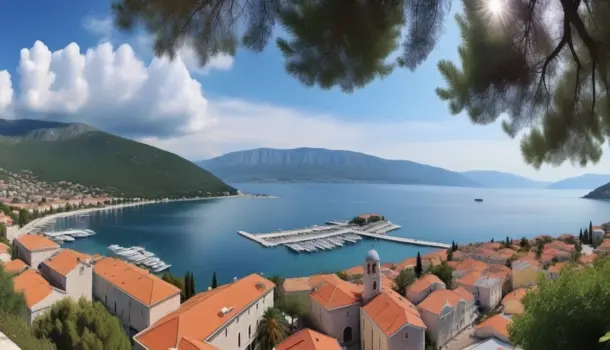 Budva
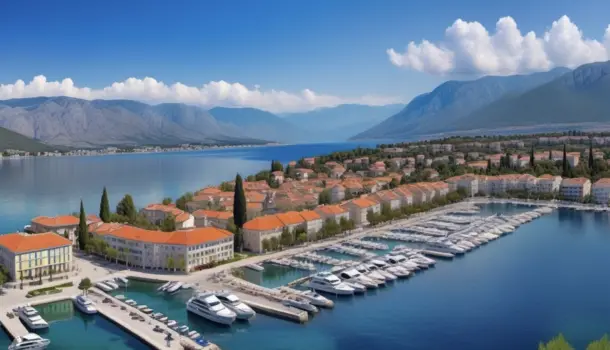 Tivat
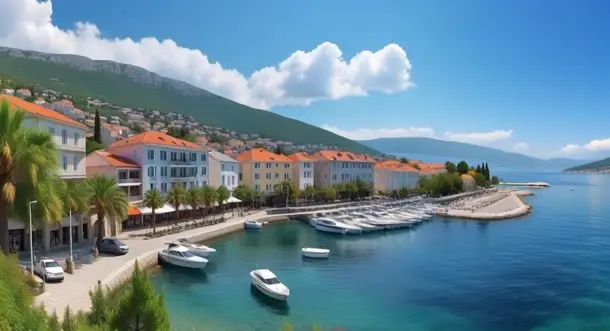 Herceg Novi